
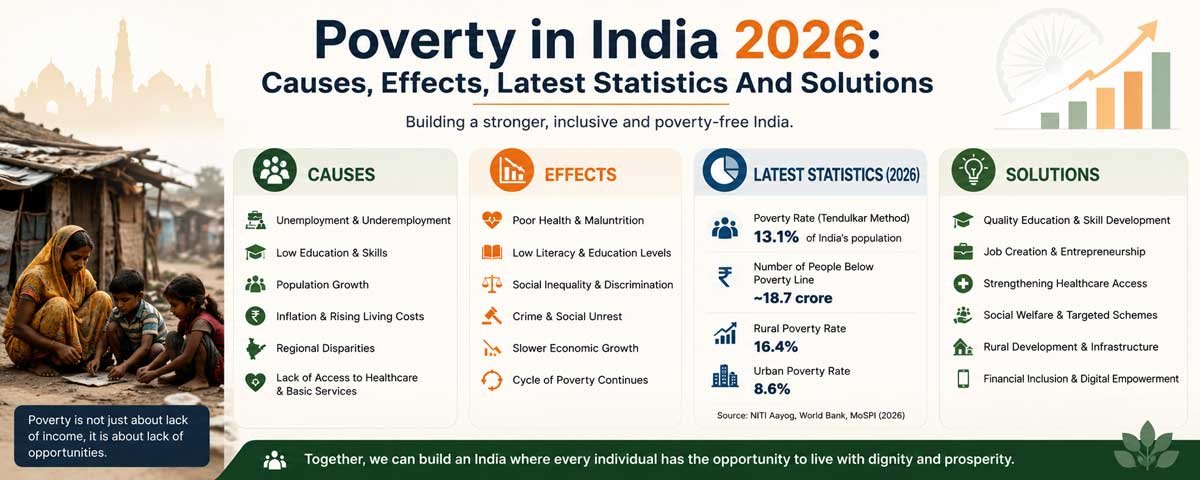
Poverty in India 2026 remains one of the country's most pressing social and economic challenges…
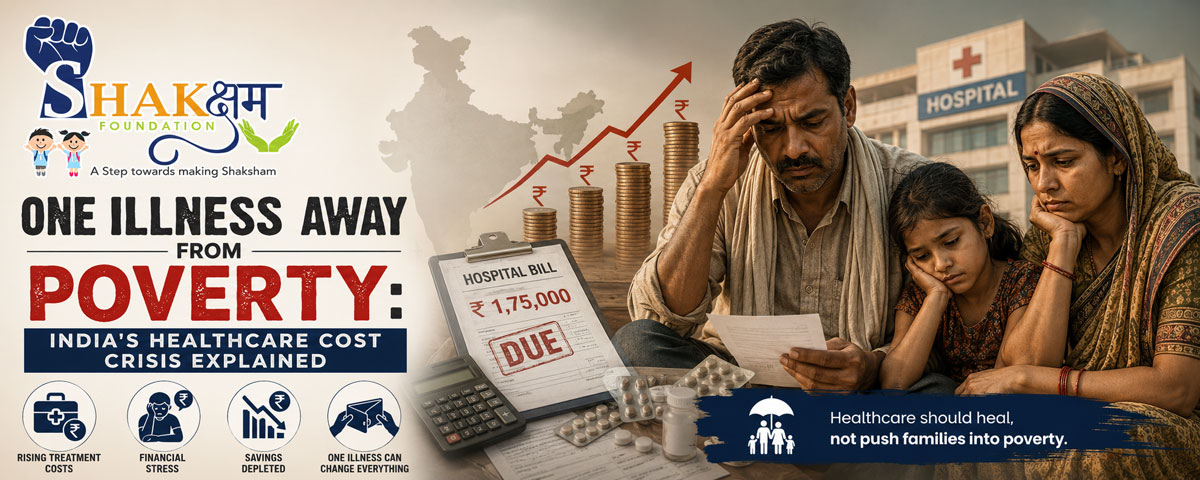
One Illness Away From Poverty: India’s Healthcare Cost Crisis Explained
For millions of families across India, financial security can disappear overnight. A sudden illness, a road accident, or a long term medical condition often brings more than emotional stress. It can drain savings, force families into debt, and push them below the poverty line. This harsh reality defines India’s healthcare cost crisis, where a single medical emergency can change a family’s future.
India has made remarkable progress in healthcare over the past few decades. Modern hospitals, better technology, and specialised treatments are now available across the country. Yet affordable healthcare remains out of reach for many households, especially those living on limited incomes.
According to the World Bank, healthcare expenses continue to push millions of people into poverty because a large share of medical costs is still paid directly by patients. Even families with steady incomes often struggle when faced with an unexpected hospital bill.
Government initiatives such as Ayushman Bharat – Pradhan Mantri Jan Arogya Yojana (PM-JAY) have improved access to healthcare for many vulnerable households. However, gaps in coverage, limited awareness, and expenses outside insurance schemes still leave many families financially exposed.
When Healthcare Becomes a Financial Crisis
Behind every statistic is a family trying to cope with impossible choices. Some delay treatment because they cannot afford it. Others borrow money, sell jewellery, mortgage land, or withdraw children from school to pay medical bills. Recovering financially often takes much longer than recovering physically.
These situations are not rare. Across the country, countless households continue to face difficult decisions simply because quality healthcare is too expensive. Medical debt often affects every part of family life, from education and nutrition to employment and long term financial stability.
At Shaksham Foundation, these challenges are visible in many communities. Families supported through education, women empowerment, child welfare, and support for older adults often share similar experiences of medical emergencies disrupting their livelihoods. Through the Education Support Programme, many children receive continued educational support even when healthcare expenses place enormous pressure on household finances.
This article explores why India’s healthcare cost crisis continues to affect millions of households, who bears the greatest burden, and what can be done to reduce the financial impact of rising medical expenses.
The Scale of India’s Healthcare Cost Crisis
India’s healthcare system continues to expand, but affordability remains a major concern. Access to treatment often depends on how much a family can afford rather than how urgently medical care is needed.
High Medical Costs Continue to Burden Families
One of the biggest challenges is that many healthcare expenses are still paid directly by patients instead of being covered through insurance or public healthcare programmes. According to the Ministry of Health and Family Welfare, reducing out of pocket healthcare spending remains a national priority because rising medical costs continue to affect millions of households.
When a serious illness strikes, families often exhaust their savings, sell valuable assets, or take high interest loans to pay for treatment. These financial decisions can create long term hardship that continues even after the patient has recovered.
Healthcare Costs Affect More Than Medical Bills
The impact of expensive healthcare extends well beyond hospitals. Children may struggle to continue their education, nutrition often suffers as household budgets shrink, and many older adults postpone essential treatment because of financial constraints.
As a result, India’s healthcare cost crisis is not only a healthcare issue but also a social and economic challenge that affects the wellbeing of entire families.
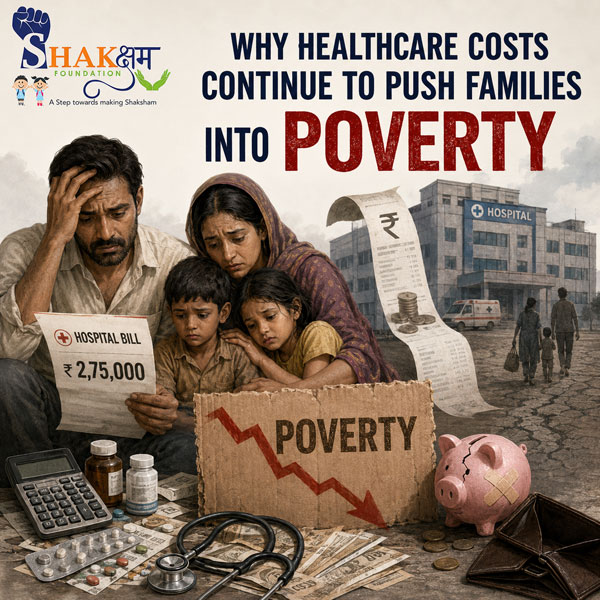
Why Healthcare Costs Continue to Push Families Into Poverty
Medical emergencies never arrive at the right time. Unlike planned household expenses, hospital admissions, surgeries, and long-term treatments require immediate payment. Families without adequate savings or health insurance often have little time to prepare.
High Out-of-Pocket Medical Expenses
One of the main reasons behind India’s healthcare cost crisis is the high level of out of pocket spending. Many households still pay for consultations, medicines, diagnostic tests, transportation, and follow up care themselves.
The World Health Organization (WHO) identifies high out of pocket spending as one of the leading causes of financial hardship for families in many developing countries.
Limited Financial Protection
Although health insurance coverage has expanded, millions of Indians remain uninsured or underinsured. Many policies exclude important treatments or require patients to pay a significant portion of medical expenses themselves.
As a result, one unexpected illness can erase years of savings. For many families, the financial recovery lasts much longer than the illness itself.
The Hidden Cost of Delaying Medical Treatment
When money is tight, many families postpone medical treatment, hoping the illness will improve on its own. Unfortunately, delaying care often makes health conditions more serious and treatment far more expensive.
Common illnesses that could have been treated early sometimes develop into medical emergencies requiring hospitalisation, surgery, or long term care. This not only affects a person’s health but also places a much heavier financial burden on the entire family.
According to the National Health Authority, early diagnosis and timely treatment improve health outcomes while reducing avoidable medical expenses. Access to affordable primary healthcare can prevent many families from falling into debt because of preventable illnesses.
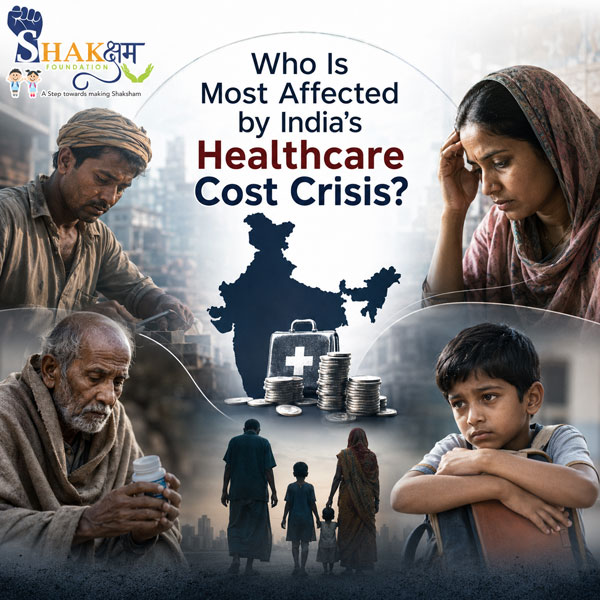
Who Is Most Affected by India’s Healthcare Cost Crisis?
Rising healthcare costs can affect anyone, but the financial impact is much greater for families with limited savings or unstable incomes. For these households, even a short hospital stay can disrupt years of financial progress.
Daily Wage Earners and Informal Workers
Millions of Indians earn their living through daily wages or informal employment. Most do not receive paid sick leave or employer-sponsored health insurance. If they stop working because of illness, their income stops immediately.
At the same time, medical expenses continue to increase. Families often struggle to pay for treatment while also meeting everyday needs such as food, rent, and school fees. This double financial burden makes recovery far more difficult.
Women Often Delay Their Own Healthcare
In many households, women place the needs of their children, spouses, and parents before their own health. Routine check ups, diagnostic tests, and treatment are frequently postponed because the family’s limited income is used for other priorities.
Although this decision may seem practical in the short term, delaying treatment can lead to more serious health problems later. Improving access to affordable healthcare for women benefits not only individuals but entire families.
Supporting women through education and community development also strengthens long term financial resilience. Alongside healthcare awareness, Shaksham Foundation works to empower women and create opportunities that help families become more self-reliant.
Older Adults Face Ongoing Medical Expenses
Older adults are more likely to require regular medical care for conditions such as diabetes, arthritis, heart disease, and hypertension. Managing these illnesses often means paying for medicines, diagnostic tests, specialist consultations, and routine follow-up visits throughout the year.
Many older people depend on limited retirement savings or financial support from family members. As healthcare costs continue to rise, maintaining consistent treatment becomes increasingly difficult for households already facing financial pressure.
Children Experience the Hidden Consequences
Children may not pay medical bills, but they often experience the consequences of India’s healthcare cost crisis. When household savings are spent on treatment, education, nutrition, and other basic needs are frequently affected.
Some children are forced to miss school because parents can no longer afford fees, uniforms, or learning materials. Others face nutritional challenges as family budgets become focused almost entirely on healthcare expenses.
This is why access to education remains essential for breaking the cycle of poverty. Through the Education Support Programme, Shaksham Foundation helps children continue their education even when families face financial hardship caused by unexpected medical emergencies.
Supporting children’s education during difficult times helps families recover with greater confidence and creates better opportunities for the future.
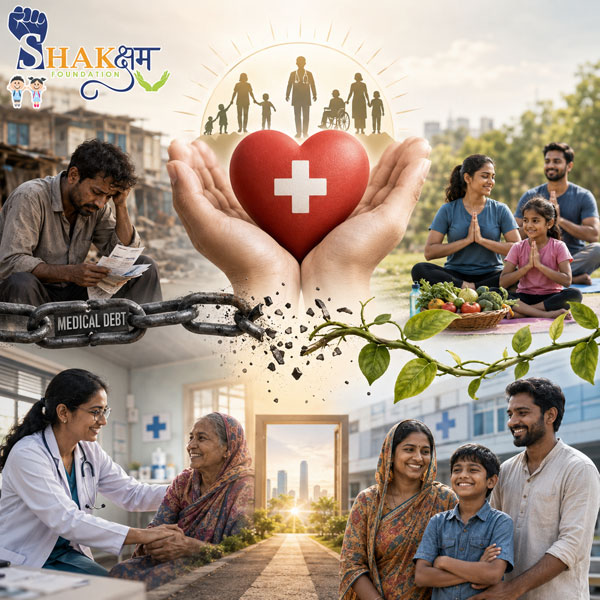
Breaking the Cycle of Medical Debt and Poverty
Reducing India’s healthcare cost crisis requires more than expanding hospitals or introducing new treatment options. Families also need affordable healthcare, stronger financial protection, better awareness, and timely medical support before small health problems become major emergencies.
When people can access quality healthcare without worrying about the cost, they are more likely to seek treatment early. This not only improves health outcomes but also protects families from falling into long-term debt.
Prevention Is Better Than Expensive Treatment
Many illnesses become costly because they are diagnosed too late. Regular health check-ups, vaccinations, health awareness programmes, and early screening can detect problems before they become serious.
According to the World Health Organization (WHO), preventive healthcare is one of the most effective ways to improve public health while reducing avoidable medical expenses. Investing in prevention helps families stay healthier and lowers the financial burden of emergency treatment.
Improving Access to Affordable Healthcare
Many families still travel long distances to reach hospitals or specialist doctors. Others avoid treatment because consultation fees, medicines, and diagnostic tests are simply too expensive.
Expanding affordable healthcare services, improving primary health centres, and increasing awareness of government health schemes can help reduce out-of-pocket medical expenses. Better access to quality healthcare allows families to receive timely treatment before health conditions become more serious and costly.
Why Community Support Matters
Government healthcare programmes are essential, but community organisations also play an important role in supporting vulnerable families. Health awareness campaigns, medical camps, nutritional support, and guidance on available healthcare services often help people receive treatment before their situation becomes critical.
At Shaksham Foundation, community development goes beyond addressing immediate needs. The organisation supports children, women, older adults, and families through programmes that encourage long-term wellbeing, education, and self-reliance.
Healthcare and education are closely connected. When families spend their savings on medical treatment, children’s education is often interrupted. Through the Education Support Programme, children from underserved communities receive continued educational support even during financially difficult times, giving them a better opportunity to build a brighter future.
How You Can Make a Difference
Addressing India’s healthcare cost crisis is a shared responsibility. While policy reforms and stronger healthcare systems are essential, individuals and communities can also contribute in meaningful ways.
Supporting trusted non-profit organisations, spreading awareness about preventive healthcare, encouraging regular health check-ups, and helping families access available healthcare schemes can all make a lasting impact.
Every contribution, whether through volunteering, donations, or community participation, helps ensure that fewer families have to choose between paying medical bills and meeting their everyday needs.
Conclusion
India’s healthcare cost crisis is about far more than the cost of hospital treatment. It affects children’s education, household incomes, nutrition, and the overall wellbeing of millions of families. No family should have to sacrifice its future because of an unexpected medical emergency.
Reducing this burden requires affordable healthcare, stronger financial protection, greater awareness, and continued investment in preventive care. Alongside government efforts, community organisations continue to play an important role in helping vulnerable families overcome difficult circumstances.
At Shaksham Foundation, every initiative is designed to strengthen families and create opportunities for long term wellbeing. By supporting education, empowering women, assisting older adults, and promoting community development, the foundation helps families build a more secure future despite financial challenges.
If you would like to support this mission, visit the Shaksham Foundation website or contribute through the Donate Now page. Every contribution helps create healthier families, stronger communities, and brighter futures.
Frequently Asked Questions
What is India’s healthcare cost crisis?
India’s healthcare cost crisis refers to the growing financial burden that medical treatment places on millions of households. High out-of-pocket healthcare expenses often force families to use their savings, borrow money, or sell valuable assets, making it easier for them to slip into poverty after a medical emergency.
Why do healthcare expenses push families into poverty?
Many households have limited savings and little or no health insurance. When a family member needs hospital treatment, surgery, or long-term medication, the cost can quickly become overwhelming. To cover these expenses, many people take loans, sell assets, or reduce spending on essentials such as food and education.
What is out-of-pocket healthcare spending?
Out-of-pocket healthcare spending is the amount patients pay directly for medical treatment instead of receiving financial support through insurance or government healthcare programmes. According to the World Health Organization (WHO), reducing these expenses is essential for improving access to affordable healthcare.
Who is most affected by India’s healthcare cost crisis?
Low-income families, daily wage earners, informal workers, women, older adults, and children are among the most affected. Limited financial resources make it difficult for these groups to manage unexpected medical expenses without affecting other basic needs.
How can preventive healthcare reduce medical expenses?
Regular health check-ups, vaccinations, early diagnosis, and timely treatment can prevent many illnesses from becoming severe. Preventive healthcare improves overall health while helping families avoid costly emergency treatment and long-term medical debt.
How is Shaksham Foundation helping families?
Shaksham Foundation supports underserved communities through programmes focused on education, women empowerment, child welfare, and support for older adults. Through its Education Support Programme, the foundation helps children continue their education even when families face financial hardship caused by medical emergencies.
Sources and References
- World Health Organization (WHO) – Universal Health Coverage
- World Bank – Health, Nutrition and Population
- Ministry of Health and Family Welfare, Government of India
- National Health Authority (Ayushman Bharat PM-JAY)
- National Health Systems Resource Centre (NHSRC)
- Shaksham Foundation
- Shaksham Foundation – Education Support Programme

Related Posts
Comments (0)