
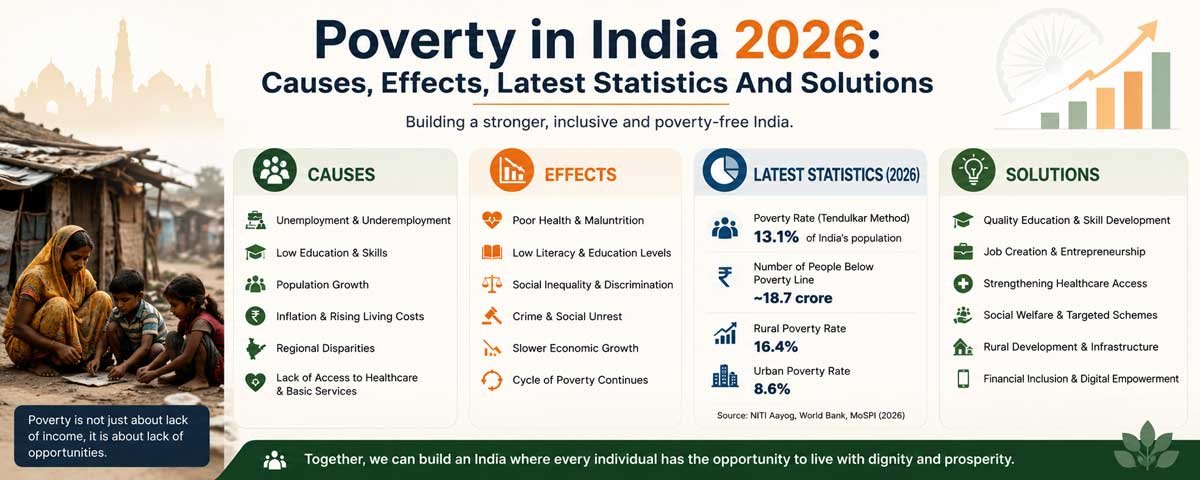
Poverty in India 2026 remains one of the country's most pressing social and economic challenges…
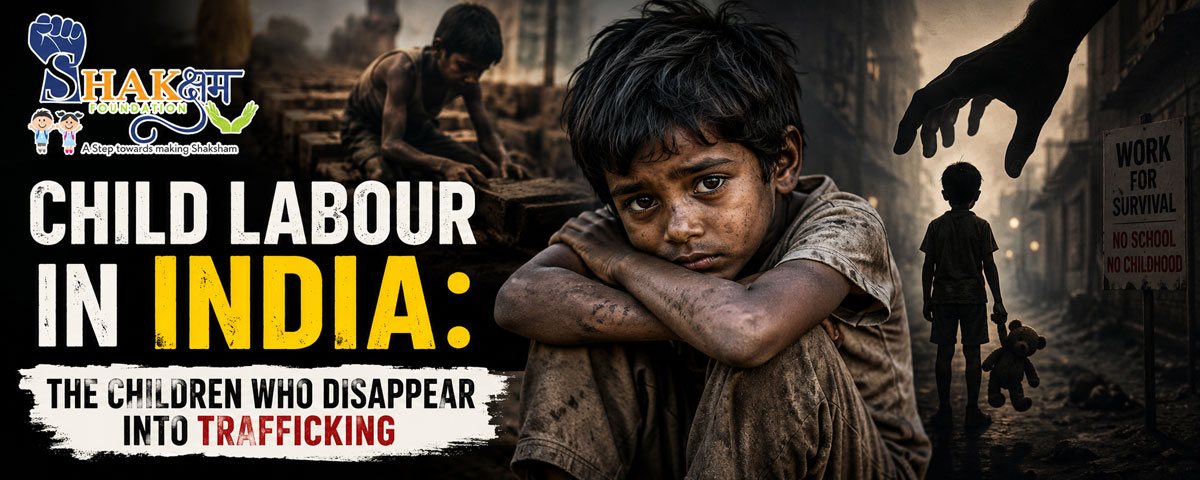
Child Labour in India: The Children Who Disappear Into Trafficking
Every child deserves a safe childhood, access to education, and the freedom to dream about the future. Sadly, that is not the reality for thousands of children across India. Every year, many disappear from their homes or classrooms and end up in child labour, trafficking, domestic work, or other forms of exploitation.
India’s child labour and trafficking crisis continues to affect children from both rural and urban communities. Although the country has introduced stronger child protection laws, poverty, limited education, migration, and organised trafficking networks still place thousands of children at risk. For many, childhood ends long before it should.
According to the National Crime Records Bureau (NCRB), thousands of children are reported missing every year. Child protection agencies have also found that many rescued children were forced into labour, trafficking, begging, or domestic work. Reports published by the International Labour Organization (ILO) and UNICEF India continue to identify child labour as a serious challenge affecting education and child development.
Every number represents a real child whose education, safety, and future have been disrupted. Many children leave school because their families struggle financially. Others are deceived by traffickers who promise jobs or education but instead force them into exploitative work.
At Shaksham Foundation, protecting children starts with education. Through the Education Support Programme, children from underserved communities receive opportunities to continue learning instead of leaving school too early. Education also helps address wider social challenges such as India’s youth unemployment paradox, where learning creates stronger opportunities for the future.
This article explains the causes of India’s child labour and trafficking crisis, its impact on children and society, and the practical steps that can help protect vulnerable children.
Understanding India’s Child Labour and Trafficking Crisis
Child labour and trafficking remain serious concerns despite stronger legal protections. Many children continue working in unsafe environments instead of attending school. Others disappear after traffickers convince families with false promises of employment or a better future.
Much of this exploitation happens within the informal economy. As a result, many cases never appear in official records, making the actual scale of the problem difficult to measure.
Millions of Children Remain Vulnerable
According to the Census of India, millions of children between the ages of 5 and 14 have been involved in some form of work. Child rights organisations believe the real number is considerably higher because many children work in homes, farms, workshops, and small businesses that are rarely inspected.
Children from families facing poverty, migration, or unemployment often face the greatest risk. Without access to education and community support, many become easy targets for traffickers.
Education Is the Strongest Line of Defence
Education gives children the knowledge, confidence, and opportunities they need to build better futures. Children who stay in school are far less likely to become victims of child labour or trafficking.
Through its Education Support Programme, Shaksham Foundation helps children continue learning while encouraging families to prioritise education. These efforts also support broader issues discussed in our article on hidden hunger in India, where poverty and poor access to education often affect children’s overall well-being.
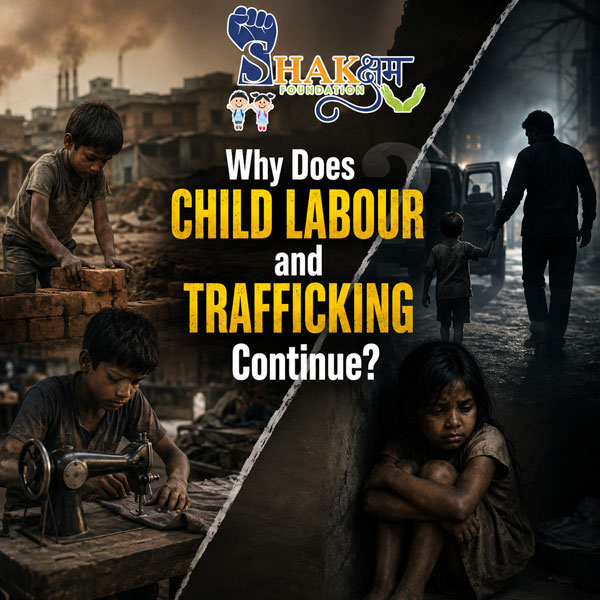
Why Does Child Labour and Trafficking Continue?
India’s child labour and trafficking crisis is driven by several connected factors. Poverty, weak enforcement, limited access to education, and organised criminal networks all increase the risk of exploitation. Addressing only one of these challenges cannot solve the problem.
Poverty Pushes Children Out of School
Many families struggle to meet basic needs such as food, housing, and healthcare. When household income falls short, children often leave school to earn money. What begins as temporary work can quickly become long-term child labour.
Supporting families through education and community programmes helps reduce this pressure. The Education Support Programme works with vulnerable communities to help children stay in school and build stronger futures.
Limited Access to Quality Education
Education is one of the strongest ways to protect children from labour and trafficking. Yet many children across India still struggle to attend school. Poor infrastructure, financial hardship, migration, and family responsibilities often force them to leave their education behind.
Once children drop out, the risk of exploitation increases quickly. Without education, they lose opportunities to develop skills, gain confidence, and build independent futures. Keeping children in school remains one of the most effective ways to prevent child labour.
Through the Education Support Programme, Shaksham Foundation helps children continue learning despite difficult circumstances. The programme also encourages families to see education as a long-term investment instead of relying on child labour for short-term income.
Traffickers Exploit Vulnerable Families
Traffickers often target families facing poverty, unemployment, migration, or debt. They promise parents that their children will receive education or secure jobs in another city. Unfortunately, these promises usually hide exploitation.
Many children end up working in factories, farms, construction sites, roadside businesses, or private homes. Others are forced into begging or illegal activities. By the time authorities discover these cases, many children have already suffered emotional and physical harm.
Weak Enforcement Makes Rescue More Difficult
India has introduced several laws to protect children, including the Child and Adolescent Labour (Prohibition and Regulation) Act, the Protection of Children from Sexual Offences (POCSO) Act, and the Juvenile Justice Act.
However, enforcement remains uneven across many regions. Much of India’s child labour exists within the informal sector, where inspections are limited and violations often go unnoticed. Stronger monitoring, quicker investigations, and effective rehabilitation programmes can help protect more children.
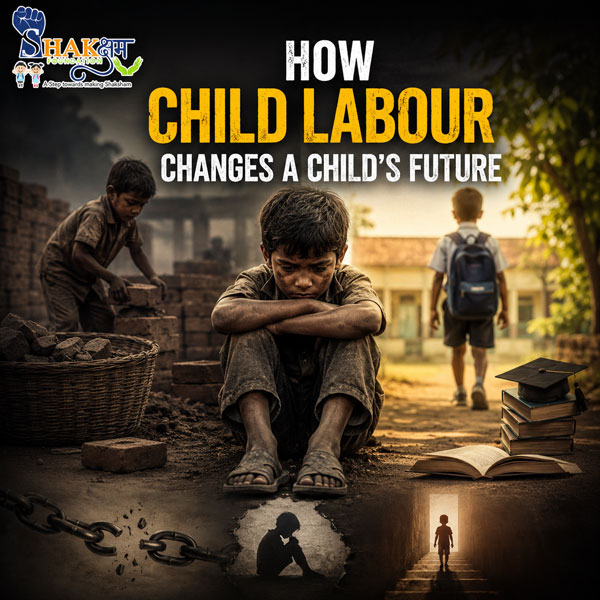
How Child Labour Changes a Child’s Future
Child labour and trafficking affect far more than childhood. Children who lose access to education often struggle with poor health, limited employment opportunities, and long-term financial insecurity. These effects can continue throughout adulthood.
Education Ends Too Early
Many children who begin working at a young age never return to school. Missing years of education reduces future employment opportunities and limits lifetime earning potential. As a result, many families remain trapped in poverty for generations.
Helping children stay in school creates lasting change. It also supports broader issues discussed in our article on India’s youth unemployment paradox, where education remains the foundation for long-term career opportunities.
Health and Emotional Well-being Decline
Children involved in hazardous work often face injuries, poor nutrition, stress, and emotional trauma. Long working hours and unsafe conditions also affect their physical and mental development.
According to UNICEF India, children who remain in safe homes and continue their education achieve better health, stronger emotional well-being, and improved learning outcomes.
Why Protecting Children Benefits Society
Breaking the Cycle of Poverty
Child labour may increase household income for a short time, but it often creates long-term hardship. Children who miss their education usually earn less as adults, making it difficult for families to improve their living conditions.
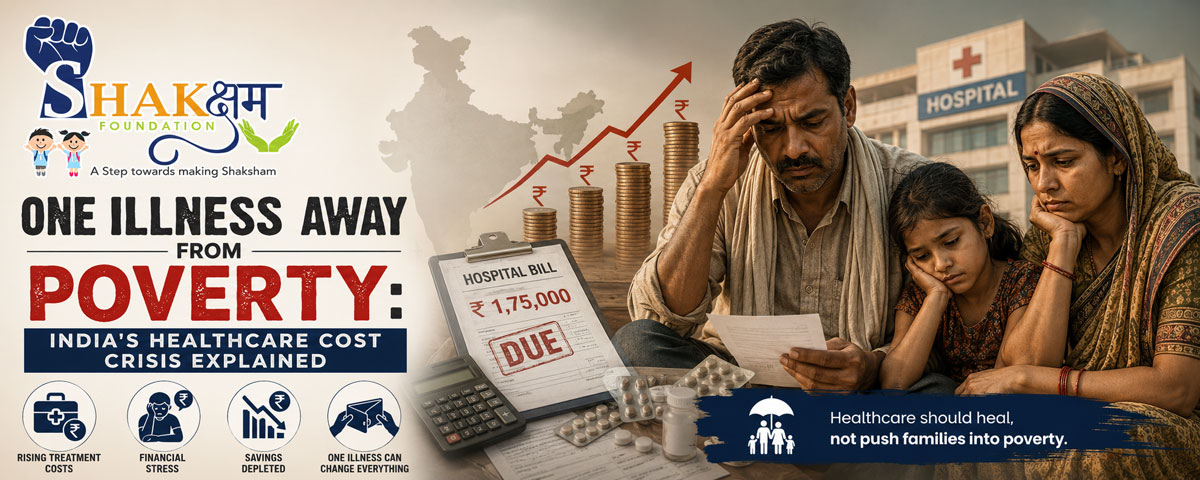
Improving access to education, healthcare, nutrition, and community support helps children build better futures. These efforts also strengthen families facing challenges discussed in our article on India’s healthcare cost crisis, where financial hardship places additional pressure on vulnerable households.
Communities Lose Future Leaders
Every child forced into labour represents lost potential. Future teachers, doctors, engineers, entrepreneurs, artists, and skilled workers cannot contribute fully when education ends too soon.
Protecting children strengthens families, communities, and the country’s future. Every child who stays in school moves India one step closer to reducing child labour, preventing trafficking, and creating equal opportunities for the next generation.

How India Can Protect Children From Labour and Trafficking
Ending India’s child labour and trafficking crisis requires long-term action rather than short-term solutions. Stronger laws are important, but lasting change depends on education, family support, community awareness, and better opportunities for vulnerable households.
When governments, schools, non-profit organisations, and local communities work together, children are far more likely to remain safe, continue their education, and build brighter futures.
Education Must Come First
Quality education remains one of the strongest defences against child labour. Children who stay in school develop knowledge, confidence, and life skills that help them avoid exploitation. They also gain better opportunities for stable employment later in life.
Improving school attendance, reducing dropout rates, and supporting children from disadvantaged families can significantly lower the risk of child labour and trafficking.
Families Need Better Support
Many parents send children to work because they struggle to meet basic household expenses. Financial assistance, skill development, and stable employment opportunities can reduce this pressure and allow children to continue their education instead of entering the workforce.
Supporting vulnerable families also contributes to solving wider social challenges discussed in our article on India’s healthcare cost crisis, where unexpected financial burdens often affect children’s education.
Communities Can Prevent Exploitation
Teachers, neighbours, local leaders, and volunteers often notice warning signs before authorities do. Reporting suspicious activity, encouraging school enrolment, and supporting vulnerable families can help prevent trafficking before it occurs.
Awareness campaigns also help parents recognise common trafficking tactics. Better awareness makes it harder for traffickers to deceive families with false promises of education or employment.
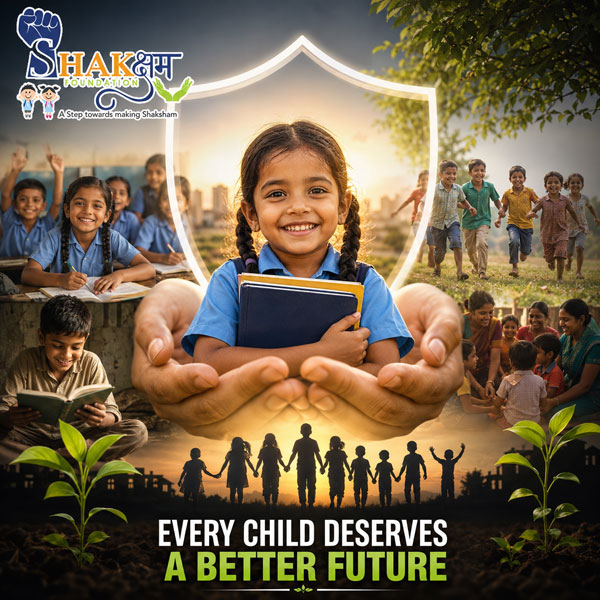
How Shaksham Foundation Is Creating Safer Futures
At Shaksham Foundation, education is more than classroom learning. It is a pathway that helps children stay safe, build confidence, and create opportunities for a better future.
Children who remain in school are less likely to become victims of child labour or trafficking. That is why the organisation focuses on improving access to education for children from underserved communities.
Supporting Children Through Education
The Education Support Programme helps children continue their studies by reducing barriers that often force them to leave school early. Learning support, community engagement, and educational guidance encourage families to keep children in classrooms instead of workplaces.
Education also creates stronger foundations for future employment and helps address challenges highlighted in our article on India’s youth unemployment paradox.
Building Stronger Communities
Shaksham Foundation works closely with local communities to promote the value of education and children’s rights. Community participation strengthens child protection efforts while encouraging families to invest in long-term learning instead of short-term income.
Every child who stays in school represents another step towards reducing child labour, preventing trafficking, and creating safer communities for future generations.
Every Child Deserves a Better Future
Protecting children requires consistent effort from families, educators, communities, organisations, and policymakers. When children receive quality education and grow up in safe environments, they gain the opportunity to build independent and successful lives.
Every child saved from exploitation strengthens not only a family but also the future of the nation. Investing in education today helps create a safer, more equal, and more prosperous India for generations to come.
Conclusion
Education Is the First Step Towards Change
India’s child labour and trafficking crisis continues to affect thousands of children every year. Many lose access to education, family support, and a safe childhood because of poverty, exploitation, and organised trafficking networks.
Although stronger laws have improved child protection, legal action alone cannot solve the problem. Children need access to quality education, safe communities, and families that receive the support required to keep them in school.
Every Child Deserves a Safe Childhood
Education gives children the opportunity to build independent and successful lives. It also reduces the risk of child labour, trafficking, and other forms of exploitation. Every child who remains in school moves one step closer to a brighter future.
At Shaksham Foundation, protecting children begins with education. Through the Education Support Programme, children from underserved communities receive learning opportunities that encourage them to stay in school and continue building their future.
How You Can Make a Difference
Creating lasting change requires support from individuals, communities, schools, organisations, and policymakers. Raising awareness, encouraging education, and supporting child protection initiatives can help reduce child labour and trafficking across India.
If you would like to support this mission, visit the Shaksham Foundation website or contribute through the Donate Now page. Every contribution helps a child stay in school instead of entering the workforce.
Frequently Asked Questions
What is child labour?
Child labour refers to work that deprives children of their education, health, safety, and overall development. It often prevents children from enjoying a normal childhood and limits their future opportunities.
What causes child trafficking in India?
Poverty, unemployment, migration, weak law enforcement, and lack of education are some of the main reasons child trafficking continues in India. Traffickers often deceive families by promising employment or better opportunities for their children.
How are child labour and trafficking connected?
Many trafficked children are forced into labour after being separated from their families. They may work in factories, construction sites, farms, domestic households, roadside businesses, or other unsafe environments.
Why is education important in preventing child labour?
Education helps children develop knowledge, confidence, and practical skills. Children who stay in school are less likely to become victims of child labour or trafficking and have better opportunities later in life.
What laws protect children from child labour in India?
India protects children through laws such as the Child and Adolescent Labour (Prohibition and Regulation) Act, the Protection of Children from Sexual Offences (POCSO) Act, and the Juvenile Justice Act.
How is Shaksham Foundation helping vulnerable children?
Shaksham Foundation supports children through its Education Support Programme. The programme helps children continue their education and reduces the risk of school dropouts, child labour, and exploitation.
Sources and References

Related Posts
Comments (0)