
Education can change the direction of a girl's life. It gives her knowledge, builds confidence,…
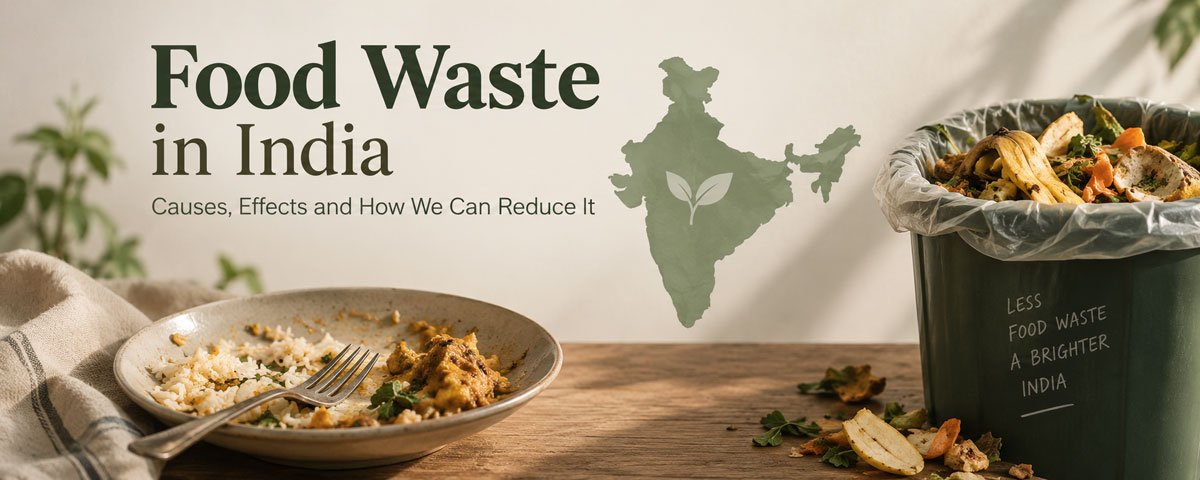
Food Waste in India: Causes, Effects and How We Can Reduce It
Food waste in India is a problem that often goes unnoticed. A plate of uneaten food may look like a small issue at home, a restaurant, a wedding or an office event. However, when thousands of such plates are thrown away every day, the amount of wasted food becomes significant.
Food takes time, money, water, energy and human effort to reach a plate. When good food is thrown away, all those resources are wasted along with it. At the same time, many families struggle to afford regular meals. This makes food waste more than an environmental issue. It is also a social and economic concern.
In India, food can be wasted at different stages, from harvesting and storage to transportation, shops, restaurants and households. Some food is lost before it reaches consumers, while other food is discarded after it has been purchased or prepared. The Food and Agriculture Organization of the United Nations explains that food waste mainly occurs through decisions and actions involving retailers, food service providers and consumers.
The good news is that food waste can be reduced through simple changes in daily habits, better planning, responsible food management and safe redistribution of surplus food.
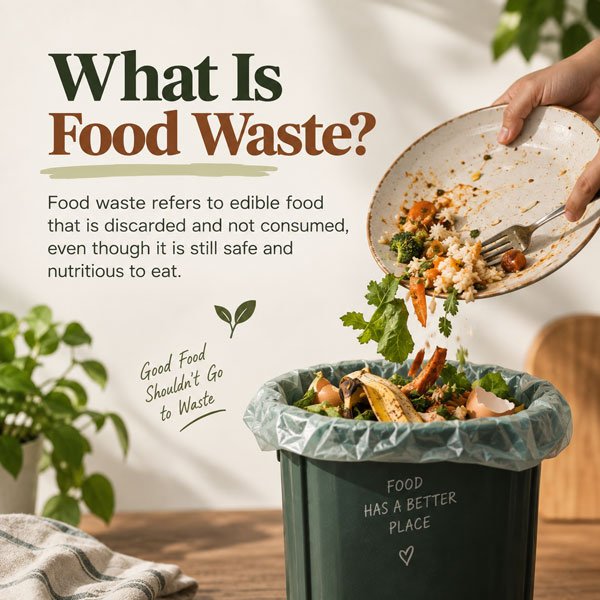
What Is Food Waste?
Food waste refers to edible food that is discarded or left unused at the retail, food-service or household level. It can include cooked meals, fruits, vegetables, bakery products, packaged foods and other items that could have been consumed but were instead thrown away.
Food waste is different from food loss. Food loss can happen earlier in the supply chain, such as during harvesting, storage, transportation or processing. Food waste generally refers to food discarded closer to the point of sale or consumption.
This distinction matters because different problems require different solutions. Better storage may reduce losses after harvesting, while careful meal planning can reduce waste at home.
According to the FAO food loss and waste platform, reducing food loss and waste can improve the efficiency of food systems and reduce pressure on resources such as land and water.
Why Is Food Waste in India a Serious Problem?
India has a large and diverse food system. Food is prepared for families, schools, offices, restaurants, religious gatherings, weddings, festivals and community events. Large quantities may be prepared to make sure every guest has enough to eat. The problem begins when the amount prepared is far greater than the amount actually consumed.
A few leftover plates may not seem important. However, repeated waste from homes, hotels, restaurants and large gatherings can add up quickly.
The problem also has another side. Food that is wasted represents money that has already been spent. A family throwing away unused vegetables loses the cost of those vegetables. A restaurant discarding prepared meals loses the cost of ingredients, cooking and labour. A large event throwing away trays of untouched food wastes the money spent on purchasing and preparing those meals.
There is also an environmental cost. Food production requires land, water and energy. When wasted food ends up in disposal systems, the resources used to produce it have effectively been spent without providing the intended benefit.
The UNEP Food Waste Index Report highlights the importance of measuring food waste and reducing it across households, food-service businesses and retail.
Major Causes of Food Waste in India
1. Preparing More Food Than Necessary
One of the most common reasons for food waste is over-preparation. This can happen when families cook extra food without estimating how much will actually be eaten.
The same problem becomes much larger at weddings, parties, corporate events and other gatherings. Organisers often prepare additional food because running out of food can create an uncomfortable situation. However, without a proper plan for the surplus, the remaining food may eventually be discarded.
2. Poor Meal Planning at Home
Food waste often starts with shopping habits. Buying more vegetables, fruits, dairy products or packaged food than a household can use before expiry increases the chances of waste.
A simple weekly meal plan can make a noticeable difference. Checking the kitchen before shopping also helps prevent duplicate purchases.
3. Confusion About Food Expiry and Quality
Some people throw away food because they are unsure whether it is still safe to consume. Understanding food labels, storage instructions and proper refrigeration can help prevent unnecessary disposal.
However, food safety should always come first. Food that has spoiled, smells unusual, shows visible mould or has been stored under unsafe conditions should not be donated or consumed.
4. Poor Storage and Handling
Fresh food can spoil quickly when it is not stored correctly. Fruits and vegetables may deteriorate because of heat, moisture or improper handling. Cooked food can also become unsafe if it remains at unsuitable temperatures for too long.
Proper storage, clean containers and timely refrigeration can help extend the useful life of food and reduce avoidable waste.
5. Food Waste at Events and Restaurants
Large gatherings can generate considerable food waste because meals are prepared for many people at once. Restaurants may also prepare food based on expected demand, but actual orders can vary from day to day.
Better demand planning, smaller serving portions and systems for safely redistributing suitable surplus food can help reduce unnecessary disposal.
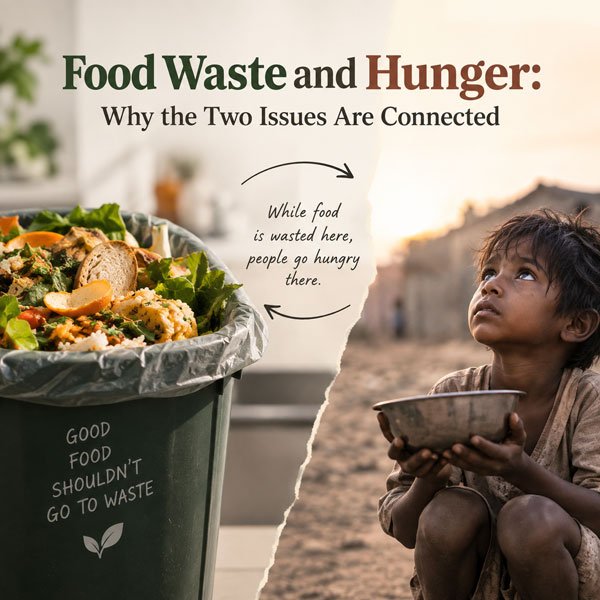
Food Waste and Hunger: Why the Two Issues Are Connected
Food waste and hunger are not the same problem, but they can exist side by side. Throwing away edible surplus does not automatically solve hunger because food still needs to be collected, handled, stored and distributed safely.
That is where organised food redistribution can make a practical difference.
In Ahmedabad, Shaksham Foundation’s leftover food donation programme works to collect suitable surplus food from sources such as homes, events, hotels and restaurants and distribute it to people who need food support.
Safe redistribution gives suitable surplus food another purpose instead of sending it directly to waste. It also creates a practical connection between people who have excess food and communities facing food insecurity.
For large events, restaurants, offices and households, arranging a reliable food donation channel before an event can be more effective than trying to find a solution after large quantities of food have already been left over.
The Environmental Impact of Food Waste
Food does not appear on a plate by itself. Farmers grow crops, workers harvest and process them, vehicles transport them, shops store them and kitchens prepare them. Every stage requires resources.
When food is wasted, the land, water, energy and labour used throughout that process also represent wasted resources.
FAO notes that food loss and waste affect food security, natural resources and the environment. Reducing unnecessary waste therefore has benefits beyond saving food itself.
Food waste can also contribute to environmental problems when discarded food is sent to landfill or poorly managed disposal systems. The FAO’s food loss and food waste resources explain the wider connection between wasted food, resource use, food security and environmental pressure.
How Food Waste Affects Indian Households
Food waste is not only a problem for restaurants and large events. It can also happen in ordinary households. A little extra food left on the plate, vegetables forgotten at the back of the refrigerator, or groceries bought without a plan can slowly turn into regular waste.
For families managing a limited household budget, this can have a direct financial impact. Money spent on food that is never consumed could have been used for other household needs.
The solution does not require major changes. Small habits such as planning meals, checking existing supplies before shopping and storing food correctly can reduce unnecessary waste over time.
Simple Ways to Reduce Food Waste at Home
- Plan meals before going grocery shopping.
- Make a shopping list and follow it.
- Check the refrigerator and pantry before buying more food.
- Store fruits, vegetables and cooked meals properly.
- Serve smaller portions and take more food only when needed.
- Use suitable leftovers in another meal instead of forgetting them.
- Keep track of foods that regularly go unused.
- Share safe surplus food with someone who can use it.
How Restaurants and Hotels Can Reduce Food Waste
Restaurants and hotels deal with food on a much larger scale. Even a small amount of waste per meal can become a substantial quantity when hundreds of meals are served every day.
One useful approach is to monitor which dishes are frequently left unfinished. This information can help kitchens adjust preparation quantities and reduce unnecessary cooking.
Restaurants can also improve portion control. Customers may not always finish large servings, so offering suitable portion sizes can help reduce plate waste.
Another important step is having a clear system for handling suitable surplus food. Instead of waiting until food has already become unsuitable, businesses can plan ahead for safe redistribution.
Practical Steps for Food Businesses
- Track daily food preparation and leftovers.
- Adjust production according to demand.
- Train kitchen staff in proper food storage and handling.
- Use appropriate portion sizes.
- Separate unavoidable food scraps from suitable surplus food.
- Create a safe process for donating suitable surplus meals.
- Work with a reliable local organisation for food redistribution.
Food Waste at Weddings, Parties and Large Events
Weddings, festivals, community gatherings and corporate events often involve large quantities of food. Since organisers want to make sure that every guest has enough, extra food is commonly prepared.
There is nothing wrong with preparing a reasonable amount of extra food. The real problem is having no plan for what happens to the surplus afterward.
Event organisers can address this before the event begins. They can estimate attendance more carefully, communicate expected guest numbers to caterers and arrange a food donation plan for suitable surplus food.
For example, an event serving 500 guests can have a simple arrangement in place with a local organisation before the first meal is served. If suitable food remains after the event, it can be assessed and redirected quickly instead of being left unattended for several hours.
This kind of planning turns food management into part of event preparation rather than an afterthought.
Food Donation: A Practical Way to Reduce Food Waste in India
Food donation can be one practical response to avoidable food waste when the surplus food is safe, suitable and handled correctly.
However, donating food is not simply a matter of packing leftovers and handing them over. Food safety, storage time, temperature, hygiene and transportation all matter. Only food that is suitable for donation should be redistributed.
For households, restaurants and event organisers in Ahmedabad, working with an established organisation can make the process easier. Shaksham Foundation works on social welfare initiatives in areas such as food support, education and community assistance.
The foundation’s Education Support programme is another example of how community support can address problems that often overlap. Education can help children from financially disadvantaged families stay connected with learning and develop better opportunities for the future.
Food support and education may appear to be separate issues, but both are connected to the wider challenge of helping families facing financial hardship. A child who regularly struggles with basic needs can also face difficulties concentrating on school and continuing education.
What Individuals Can Do to Reduce Food Waste
Reducing food waste in India does not depend only on government programmes, businesses or NGOs. Individual choices matter too.
The first step is to become more aware of what gets thrown away. Keep an eye on the food that regularly remains unused. If vegetables spoil before they are cooked, buy smaller quantities next time. If large portions are regularly left on plates, serve less food initially.
It is also worth learning the difference between food that is genuinely unsafe and food that simply needs to be used soon. At the same time, food safety should never be ignored. When there is a genuine concern about contamination or spoilage, the food should not be consumed or donated.
Five Everyday Habits That Can Make a Difference
- Plan before shopping: Decide what meals you are likely to prepare during the week.
- Buy according to need: Avoid purchasing large quantities simply because an item appears inexpensive.
- Store food properly: Use suitable containers and refrigeration where necessary.
- Use leftovers wisely: Plan another meal around suitable leftovers before cooking something new.
- Donate suitable surplus: When you have more safe food than your household can use, consider a reliable local food donation programme.
How Schools Can Teach Children About Food Waste
Schools can play an important role in building responsible food habits. Children learn many of their everyday behaviours at home and at school, so simple lessons about food can have a long-term effect.
Schools can encourage students to take only the amount of food they expect to eat. They can also discuss where food comes from and how much work goes into producing it.
Activities such as food-awareness campaigns, kitchen-garden projects and waste-monitoring exercises can make the subject easier to understand.
Education also matters beyond food habits. Organisations working to improve access to education can help children from disadvantaged backgrounds stay connected with learning. Shaksham Foundation’s Education Support initiative focuses on helping children who face barriers to education.
The Role of NGOs in Reducing Food Waste
Non-governmental organisations can help connect surplus resources with people who need support. In the case of food, an NGO can provide an organised channel for collection and distribution where appropriate.
This is especially useful in cities where restaurants, event venues, households and community organisations may have surplus food but lack the time or system to distribute it themselves.
A responsible NGO-led food programme should focus on proper collection, food safety, timely distribution and clear coordination. The aim is not simply to move food from one place to another. It is to make sure suitable surplus food reaches people safely and at the right time.
For people looking for ways to support social causes in Ahmedabad, connecting with a local organisation can be a practical starting point. You can learn more about Shaksham Foundation’s work in Ahmedabad and the different areas in which the organisation provides support.
How Businesses Can Build a Better Food Waste Management System
Reducing food waste in India becomes much easier when businesses treat food management as part of their regular operations. Restaurants, hotels, caterers, supermarkets and event companies can reduce waste without making their services complicated.
The first step is to understand where waste is happening. A kitchen may waste food during preparation, while a restaurant may see more waste from unfinished meals. A supermarket may have products that are approaching their best-before dates. Each situation needs a slightly different approach.
Track What Gets Thrown Away
Businesses should keep a simple record of the food they discard. This can reveal patterns that are easy to miss during a busy working day.
For example, if a particular dish is regularly prepared in excess, the kitchen can reduce its preparation quantity. If certain ingredients repeatedly expire before use, purchasing quantities can be adjusted.
Improve Stock Management
Good stock management can prevent food from sitting unused until it becomes unsuitable. Staff should know which ingredients need to be used first and where different foods should be stored.
Regular checks also make it easier to identify products that need to be used soon. This simple habit can reduce unnecessary disposal while helping businesses control their food costs.
Plan for Surplus Before It Happens
Businesses that regularly prepare large quantities of food should have a plan for suitable surplus food. Waiting until the end of the day to decide what to do with extra meals can make safe redistribution more difficult.
A better approach is to establish a clear process in advance. Staff can identify suitable surplus food, follow food-safety procedures and contact the organisation responsible for collection without unnecessary delay.
What Can Consumers Do About Food Waste in India?
Consumers have a major role to play because many food choices happen at home, restaurants and shops. The easiest place to start is with everyday decisions.
Before buying groceries, check what is already available at home. Before serving a meal, consider how much food people are likely to eat. When ordering at a restaurant, avoid ordering more than the table can reasonably finish.
These actions may seem small, but repeated every day, they can reduce the amount of food that ends up in the bin.
Think Before Throwing Food Away
Before discarding food, ask a few simple questions:
- Is the food still safe to eat?
- Can it be stored properly for another meal?
- Can it be used as an ingredient in another dish?
- Is there someone nearby who could use it?
- Can suitable surplus food be given to a trusted food donation organisation?
These questions should never replace proper food-safety judgement. If food has spoiled or has been stored in unsafe conditions, it should not be consumed or donated.
Food Waste Management and the Importance of Responsible Disposal
Not all food waste can be avoided. Some peels, bones, spoiled food and other unavoidable scraps will still be generated. The goal is to reduce avoidable waste first and manage the remaining waste responsibly.
Where suitable facilities are available, organic food waste can be separated from other forms of waste. This makes further treatment and processing easier.
Composting is another option for certain types of organic waste. It can turn suitable food scraps into compost instead of sending them directly to disposal facilities.
Businesses and institutions can also develop separate bins and clear instructions so that food waste does not become mixed with plastic, glass and other materials.
What Government and Local Authorities Can Do
Food waste is a large issue, so individual action alone cannot solve it. Government bodies and local authorities can support better food management through awareness programmes, infrastructure, waste-management systems and practical guidance.
Better storage and transportation facilities can also help prevent food from being lost before it reaches consumers. At the consumer level, awareness campaigns can encourage households and businesses to plan purchases and meals more carefully.
The UNEP Food Waste Index provides a useful global framework for understanding and measuring food waste. Reliable measurement matters because it helps policymakers and organisations identify where action is needed most.
Why Reducing Food Waste Can Help Families and Communities
Reducing food waste can have benefits that go beyond the food itself. When households waste less, they can make better use of their grocery budgets. When businesses waste less, they can reduce unnecessary operating costs.
At the community level, safe food redistribution can help suitable surplus food reach people facing food insecurity.
This is particularly important in places where food insecurity and financial hardship affect families at the same time. Addressing one issue does not automatically solve the other, but responsible food support can provide immediate assistance while longer-term programmes address education, employment and other challenges.
For example, organisations such as Shaksham Foundation work across several areas of social support. Its programmes include food assistance as well as initiatives focused on education and support for disadvantaged communities.
How Education Can Change Attitudes Towards Food Waste
Education can shape how people think about food from an early age. A child who understands how food is produced and how much effort goes into getting it to the table is more likely to think twice before wasting it.
Schools can teach practical habits such as taking reasonable portions, keeping food areas clean and understanding the value of resources. These lessons can also reach families when children take the message home.
Education has a much wider role in improving long-term social conditions. Access to quality education can help children develop skills and opportunities that can influence their future.
Shaksham Foundation’s Education Support programme focuses on helping children who face barriers to education. Supporting education alongside other community needs creates a stronger foundation for long-term social progress.
Food Waste in India: What the Future Should Look Like
The future of food management in India should focus on prevention first. Food that never gets wasted does not need to be collected, transported or processed as waste.
That means households need better planning, businesses need better stock control, event organisers need realistic food estimates and communities need reliable channels for suitable food donation.
Technology can also support this effort. Better demand forecasting, inventory tracking and digital coordination can help businesses identify surplus food sooner and make better decisions.
However, technology alone is not enough. Good systems only work when people use them consistently.
A Simple Three-Step Approach
- Prevent: Buy, prepare and serve only what is reasonably needed.
- Redistribute: Pass suitable surplus food to people who can safely consume it.
- Manage: Separate and responsibly process food waste that cannot be avoided.
This approach keeps the focus where it belongs: preventing good food from becoming waste in the first place.
How Shaksham Foundation Can Help
Reducing food waste in India requires practical action at the local level. Communities need systems that make it easier for people with surplus food to connect with organisations that can help distribute it safely.
In Ahmedabad, Shaksham Foundation works on social welfare initiatives that support people facing difficult circumstances. Its work includes food support along with programmes related to education and community welfare.
If you are organising an event, running a food business or simply have suitable surplus food that could help someone else, learning about local food-support initiatives is a useful first step.
You can also explore the Shaksham Foundation website to learn more about its social welfare programmes and find ways to support its work.
Final Thoughts on Food Waste in India
Food waste in India is not a problem that can be solved by one action or one organisation. It starts with everyday choices, such as buying the right quantity, preparing reasonable portions and storing food correctly.
Businesses, restaurants, hotels and event organisers also have an important role. Better planning can prevent unnecessary waste, while safe food donation can give suitable surplus food a useful purpose.
Not every piece of food waste can be avoided. However, much of the avoidable waste can be reduced when food is treated as a valuable resource rather than something that can simply be thrown away.
For households and businesses in Ahmedabad, food donation can be one practical way to handle suitable surplus food. Shaksham Foundation’s leftover food donation programme provides information about donating suitable surplus food from homes, events, hotels and restaurants.
For people interested in supporting wider social causes, the donation programme at Shaksham Foundation also explains how support can contribute to community-focused work.
Frequently Asked Questions About Food Waste in India
1. What is food waste in India?
Food waste in India refers to food that is discarded or left unused, particularly at the retail, food-service and household levels. It can include cooked meals, fruits, vegetables and other food that could otherwise have been used or consumed safely.
2. What are the main causes of food waste in India?
Common causes include over-preparation, poor meal planning, excessive purchasing, improper storage, food spoilage and large quantities of surplus food at restaurants, hotels, weddings and other events.
3. How can food waste be reduced at home?
Households can reduce waste by planning meals, checking existing groceries before shopping, buying suitable quantities, storing food correctly, serving reasonable portions and using suitable leftovers before they are forgotten.
4. Can leftover food be donated?
Suitable surplus food can be donated when it is safe to consume and has been handled, stored and transported properly. Food that is spoiled or has been kept under unsafe conditions should not be donated.
5. How can restaurants reduce food waste?
Restaurants can monitor daily waste, improve demand forecasting, control portions, manage stock carefully and establish a clear process for handling suitable surplus food.
6. What can be done with food waste that cannot be donated?
Food that cannot safely be consumed or donated should be managed responsibly. Depending on local facilities, suitable organic waste may be separated for composting or other forms of organic waste processing.
7. Why is food waste harmful to the environment?
Food production uses resources such as land, water and energy. When food is wasted, the resources used to produce, transport and prepare that food are also used without providing the intended benefit.
8. How can weddings and events reduce food waste?
Event organisers can estimate attendance carefully, coordinate food quantities with caterers, monitor serving portions and arrange a food donation plan in advance for suitable surplus food.
9. What role can NGOs play in reducing food waste?
NGOs can help create an organised connection between sources of suitable surplus food and people who need food support. Proper collection, food safety, transportation and timely distribution are important parts of this process.
10. What is the best way to start reducing food waste?
A practical starting point is to identify what gets wasted most often. Once the main source is clear, changes such as buying smaller quantities, improving storage or planning meals can be introduced gradually.
Take Action Against Food Waste
Reducing food waste does not always require a major change. A better shopping list, a smaller serving, proper storage or a planned food donation can prevent good food from being wasted.
For suitable surplus food in Ahmedabad, learn more about leftover food donation through Shaksham Foundation. The organisation also works across areas of community support, including food assistance and other social welfare initiatives.
To explore more community initiatives and ways to support people facing difficult circumstances, visit the Shaksham Foundation NGO in Ahmedabad page.
Conclusion
Food waste is often created through small decisions, but those decisions can have a much larger effect when repeated across households, businesses and events. Better planning, responsible storage, sensible portions and safe food redistribution can all help reduce unnecessary waste.
The goal is simple: prevent edible food from becoming waste whenever possible, redirect suitable surplus food to people who can use it, and manage unavoidable food waste responsibly.

Related Posts

Comments (0)