
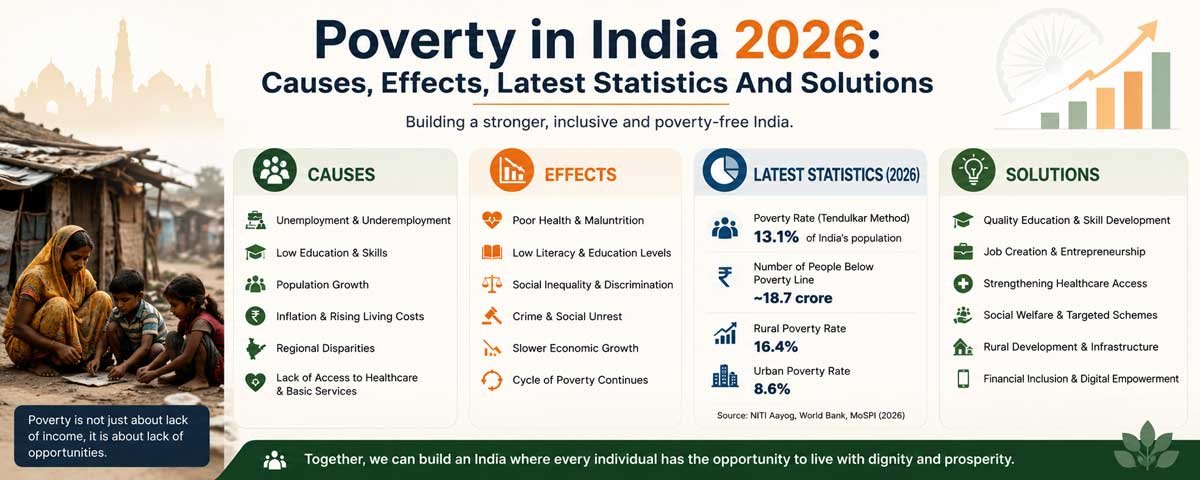
Poverty in India 2026 remains one of the country's most pressing social and economic challenges…
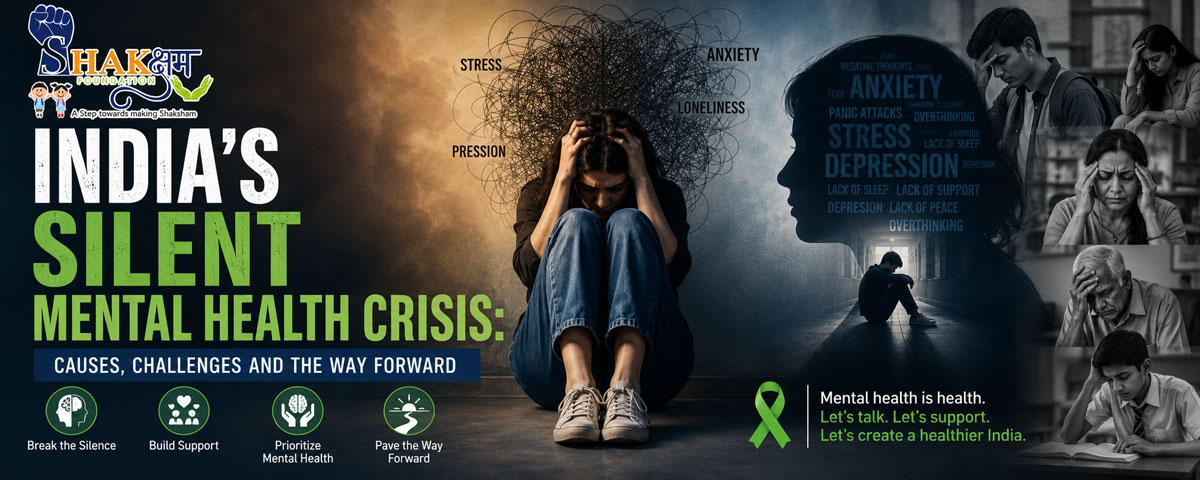
India’s Silent Mental Health Crisis: Causes, Challenges and the Way Forward
Mental health affects every part of life, from relationships and education to work and physical health. Yet millions of people continue to struggle in silence. India’s silent mental health crisis has become one of the country’s most pressing public health concerns, but many people still hesitate to seek help because of stigma, misinformation, and limited access to mental healthcare.
Conversations about fever, diabetes, or heart disease have become common in many households. Discussions about depression, anxiety, emotional stress, or burnout are still often avoided. Many people fear being judged or misunderstood, so they choose to hide their struggles instead of asking for professional support.
According to the World Health Organization (WHO), mental health conditions affect hundreds of millions of people worldwide and contribute significantly to disability and poor quality of life. In India, the need for better awareness and accessible care continues to grow as more people experience emotional and psychological challenges.
Supporting mental well-being begins with stronger communities, better education, and improved healthcare. At Shaksham Foundation, community development focuses on improving lives through education, healthcare, and social welfare initiatives. The Education Support Programme also helps children build confidence and develop skills that contribute to healthier emotional growth from an early age.
This article explains why India’s silent mental health crisis continues to grow, who is most affected, the reasons many people avoid seeking help, and the practical steps that can improve mental health awareness across the country.
Understanding India’s Silent Mental Health Crisis
Mental health is an essential part of overall well-being. It influences how people think, manage emotions, make decisions, and cope with everyday challenges. When mental health declines, daily life often becomes more difficult, affecting personal relationships, education, employment, and physical health.
Despite growing awareness, many people still believe mental health conditions are signs of weakness rather than medical concerns. This misconception prevents countless individuals from seeking timely treatment. In many cases, people continue living with anxiety, depression, or chronic stress without receiving the professional support they need.
Rapid urbanisation, demanding work schedules, financial uncertainty, social isolation, and academic pressure have all increased emotional stress in recent years. Unfortunately, mental healthcare services remain difficult to access in many parts of India, especially in rural and underserved communities.
Recognising mental health as an important part of healthcare is the first step towards reducing stigma and encouraging early support.
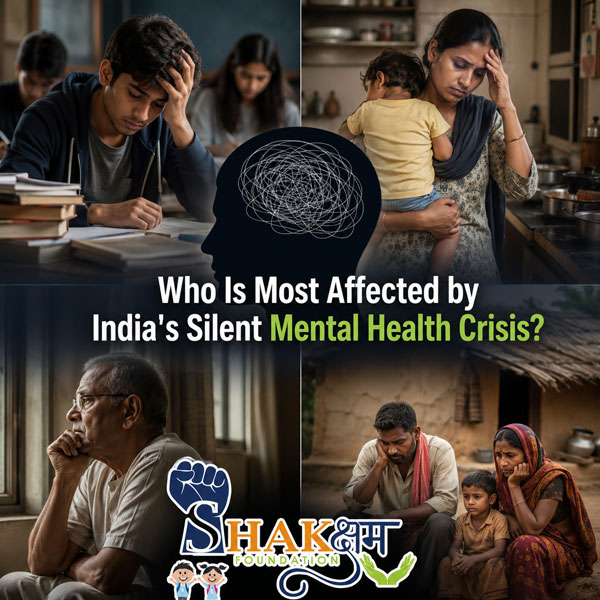
Who Is Most Affected by India’s Silent Mental Health Crisis?
Mental health challenges can affect anyone. However, some groups face greater emotional pressure because of their daily responsibilities, social circumstances, or limited access to healthcare. Understanding these vulnerable groups helps create better awareness and encourages timely support.
Students and Young Adults
Students often experience pressure from examinations, competitive entrance tests, career expectations, and social comparison. Constant stress can affect concentration, confidence, and emotional well-being. Creating supportive learning environments through quality education and emotional guidance can make a meaningful difference. Programmes such as the Education Support Programme encourage learning while helping children build confidence and resilience.
Women Managing Multiple Responsibilities
Many women balance household responsibilities, caregiving, careers, and financial concerns every day. Continuous pressure without adequate emotional support can lead to stress, anxiety, and emotional exhaustion. Encouraging open conversations and improving access to mental healthcare can help women seek timely support.
Older Adults Facing Loneliness
Many older adults experience loneliness after retirement, the loss of loved ones, or reduced social interaction. Emotional isolation often affects mental well-being and may increase the risk of depression. Regular healthcare, family support, and community engagement can improve emotional health and quality of life.
People Living in Rural and Low-Income Communities
Limited awareness, financial challenges, and a shortage of trained mental health professionals make it difficult for many rural families to access proper care. Strengthening community healthcare services and expanding awareness programmes can help more people receive support before mental health conditions become severe.
Why Do Many People Stay Silent About Mental Health?
Although awareness has improved, many people still hesitate to talk about emotional struggles. Fear of criticism, social stigma, and limited knowledge often prevent individuals from seeking professional help. As a result, India’s silent mental health crisis continues to affect millions of people across the country.
Ignoring mental health concerns rarely makes them disappear. Instead, untreated conditions can gradually affect relationships, education, work, and physical health. Recognising the barriers to mental healthcare is an important step towards building healthier communities.
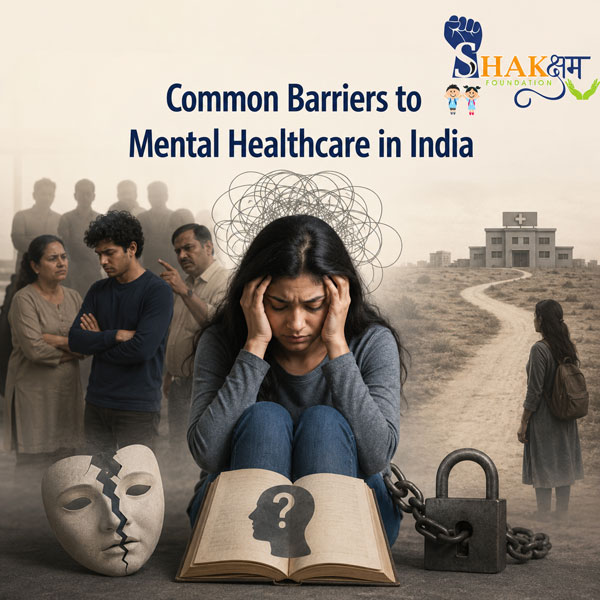
Common Barriers to Mental Healthcare in India
Several factors prevent people from receiving timely mental health support. Addressing these challenges can improve access to care and encourage more open conversations.
Social Stigma
Many people still believe that discussing mental health will lead to embarrassment or discrimination. Because of this fear, individuals often hide their emotions instead of seeking counselling or medical support. Changing public attitudes requires continuous awareness and honest conversations within families, schools, and workplaces.
Limited Awareness
Many people cannot recognise the early signs of anxiety, depression, or emotional burnout. They often dismiss these symptoms as temporary stress or personal weakness. Better mental health education can help people understand when professional support is needed.
Limited Access to Professional Care
Mental healthcare services remain unavailable in many rural and underserved areas. Even where treatment is available, travel distances, waiting periods, and a shortage of trained professionals make access difficult. The Tele-MANAS initiative has expanded mental health support, but many communities still require better access to counselling and psychiatric care.
Financial Challenges
Professional counselling and psychiatric treatment can be expensive for many families. Healthcare costs often discourage people from seeking help until their condition becomes more serious. Affordable community-based services can reduce this financial burden and encourage earlier treatment.
Fear of Being Misunderstood
Many individuals worry that friends, relatives, or colleagues will not understand what they are experiencing. This fear often leads people to remain silent instead of asking for help. Listening without judgment creates a safer environment where people feel comfortable discussing their mental well-being.
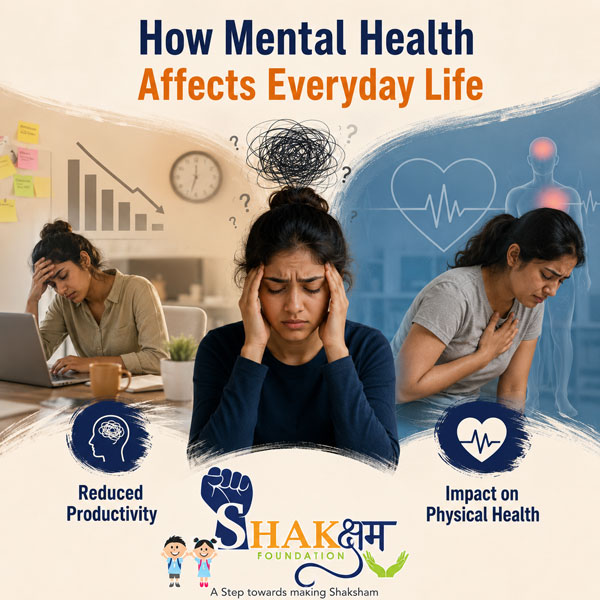
How Mental Health Affects Everyday Life
Mental health influences nearly every aspect of daily life. When emotional well-being declines, people often find it harder to study, work, maintain relationships, or manage routine responsibilities. Early support can prevent these challenges from becoming more severe.
Reduced Productivity
Persistent stress, anxiety, or depression can reduce concentration, decision-making, and overall performance at school or work. Timely counselling and emotional support help many people regain confidence and improve their quality of life.
Strained Family Relationships
Untreated mental health conditions can create communication problems and emotional distance within families. Supportive conversations and professional guidance often strengthen relationships and help families better understand one another.
Impact on Physical Health
Mental and physical health are closely connected. Long-term stress may contribute to sleep problems, fatigue, headaches, high blood pressure, and other health concerns. The World Health Organization (WHO) recognises mental health as an essential part of overall health and well-being.
Community initiatives that improve education and healthcare can also strengthen emotional well-being. Through its Education Support Programme, Shaksham Foundation supports children by creating better learning opportunities that encourage confidence, resilience, and long-term personal development.
Breaking the Silence: What Needs to Change?
India’s silent mental health crisis cannot be addressed by healthcare alone. Instead, lasting progress depends on stronger awareness, better education, improved healthcare services, and community support. Every section of society has an important role to play. When families, schools, employers, healthcare professionals, and community organisations work together, more people feel comfortable asking for help.
Moreover, encouraging open conversations can reduce stigma and help people recognise that mental health deserves the same attention as physical health. Small changes made consistently can create a lasting impact across communities.

Practical Steps to Improve Mental Health Awareness
Creating a mentally healthier society requires practical action rather than awareness alone. Therefore, improving access to information, support services, and education should remain a priority across India.
Normalise Conversations About Mental Health
Families, schools, colleges, and workplaces should encourage open discussions about emotional well-being. As a result, people become more comfortable sharing their experiences and seeking professional support when necessary. Honest conversations also reduce fear and help break long-standing misconceptions.
Expand Access to Counselling Services
Professional counselling should be available in both urban and rural communities. In addition, affordable services and online consultations can help people receive support without unnecessary delays. According to the World Health Organization (WHO), accessible mental healthcare plays an essential role in improving overall public health.
Improve Mental Health Education
Mental health education should begin during childhood. For example, schools can teach students how to manage stress, recognise emotions, build resilience, and seek help when needed. These life skills prepare children to face future challenges with greater confidence.
Likewise, educational support also strengthens emotional development. Through its Education Support Programme, Shaksham Foundation helps children continue their education while building confidence, resilience, and long-term personal growth.
Train Teachers and Community Workers
Teachers, healthcare workers, volunteers, and caregivers often notice changes in behaviour before anyone else. Therefore, basic mental health training can help them recognise early warning signs and guide individuals towards professional care. Early action often prevents problems from becoming more serious.
Strengthen Community Support Systems
Support groups, awareness campaigns, and local healthcare programmes encourage people to speak openly about their mental well-being. Furthermore, these initiatives help reduce isolation and connect individuals with reliable support. Strong communities make it easier for people to recover and maintain better mental health.
How Shaksham Foundation Is Creating Healthier Communities
Shaksham Foundation believes that healthier communities begin with better education, accessible healthcare, and stronger social support. Therefore, its community initiatives focus on improving the quality of life for children, women, older adults, and underserved families.
In addition, the Foundation works to strengthen educational opportunities, promote healthcare awareness, and encourage community participation. These initiatives help individuals develop confidence, improve well-being, and build brighter futures.
Mental health is closely connected with education, nutrition, healthcare, and social development. Consequently, supporting these areas together creates stronger communities where people feel safe, valued, and supported throughout their lives.
Conclusion
India’s silent mental health crisis affects millions of people, yet many continue to struggle without the support they need. Although awareness has improved in recent years, stigma, misinformation, and limited access to professional care still prevent many individuals from seeking timely help. Therefore, addressing mental health must become a national priority rather than an afterthought.
Moreover, improving mental well-being requires action from families, schools, healthcare providers, employers, and local communities. Open conversations, early intervention, affordable counselling, and better awareness can encourage more people to seek support before their condition becomes severe. Every positive conversation helps reduce stigma and creates a safer environment for those facing emotional challenges.
Mental health also depends on strong education, accessible healthcare, and supportive communities. Consequently, long-term solutions should focus on strengthening these areas together instead of treating them separately. Building awareness from childhood can help future generations develop resilience, confidence, and healthier coping skills.
At Shaksham Foundation, community development goes beyond meeting basic needs. Through education, healthcare, and social welfare initiatives, the Foundation supports children, women, older adults, and underserved families. In addition, the Education Support Programme helps children continue their education while building confidence and life skills that contribute to long-term emotional well-being.
Creating a mentally healthier India begins with awareness, compassion, and timely support. Every effort to listen without judgment, encourage professional care, and spread accurate information helps break the silence surrounding mental health. Small actions taken today can create stronger, healthier communities for generations to come.
To support initiatives that promote education, healthcare, and community development, visit the Shaksham Foundation. Contributions can also be made through the Donate Now page to help expand programmes that improve lives across underserved communities.
Frequently Asked Questions
What is India’s silent mental health crisis?
India’s silent mental health crisis refers to the growing number of people experiencing anxiety, depression, stress, and other mental health conditions while many remain undiagnosed or untreated because of stigma, lack of awareness, and limited access to professional care.
Why do many people avoid seeking mental health support in India?
Many people fear social judgment or discrimination. In addition, limited awareness, financial barriers, and a shortage of mental health professionals often prevent individuals from accessing timely treatment.
Who is most affected by mental health challenges in India?
Mental health conditions can affect anyone. However, students, working professionals, women, older adults, and people living in rural or underserved communities often face greater emotional pressure and have fewer opportunities to access mental healthcare.
How can India improve mental health awareness?
India can improve mental health awareness by promoting open conversations, expanding affordable counselling services, strengthening school-based mental health education, training community workers, and improving access to professional healthcare across both urban and rural areas.
Why is early intervention important for mental health?
Early intervention allows people to receive professional support before mental health conditions become more severe. As a result, recovery often becomes easier, relationships improve, and people can continue their education, careers, and daily responsibilities more effectively.
How is Shaksham Foundation supporting community well-being?
Shaksham Foundation works to improve community well-being through education, healthcare, and social development initiatives. Furthermore, its Education Support Programme helps children continue their education while building confidence, resilience, and stronger foundations for the future.
Sources and References

Related Posts
Comments (0)