
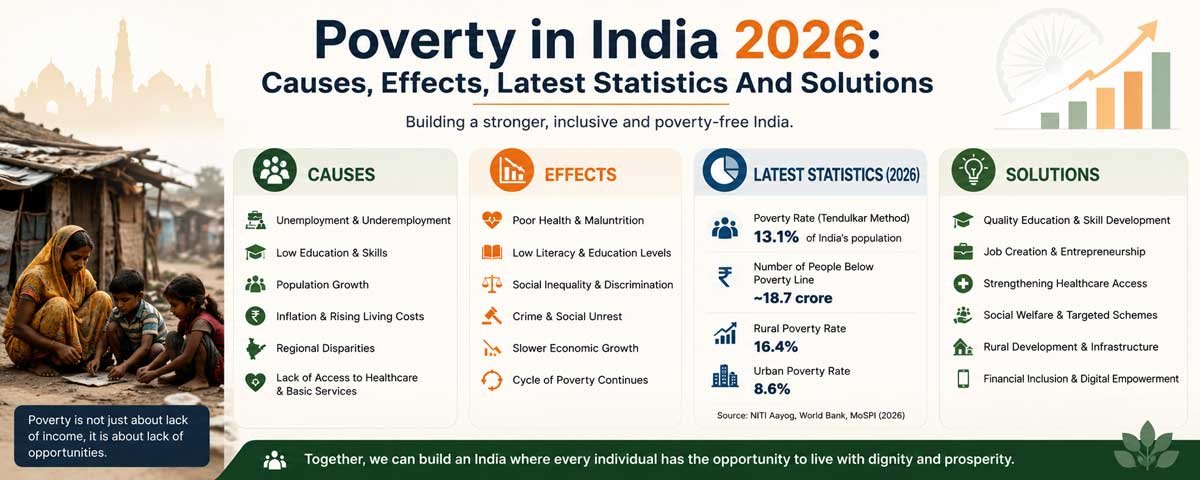
Poverty in India 2026 remains one of the country's most pressing social and economic challenges…
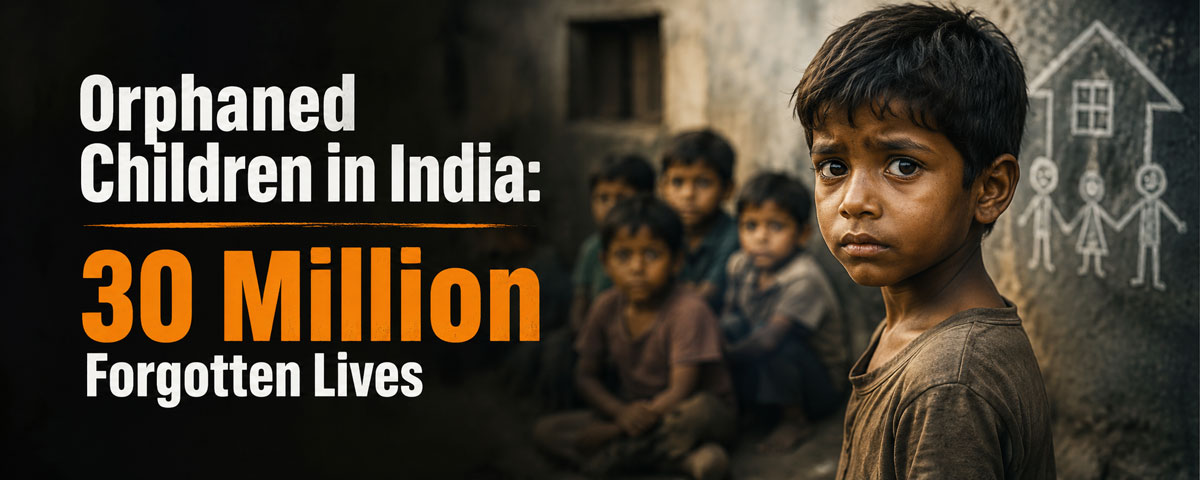
Orphaned Children in India: 30 Million Forgotten Lives
Orphaned children in India continue to face one of the country’s biggest humanitarian challenges. Nearly 30 million children have lost one or both parents or have been abandoned, leaving many without access to a safe home, quality education, healthcare, and emotional support.
India is estimated to have nearly 30 million orphaned and abandoned children, making it one of the countries with the largest orphan populations in the world. Behind this staggering number are real children with dreams, talents, and hopes for a better tomorrow. Unfortunately, many never receive the care, education, or protection they deserve.
Despite the scale of the problem, India’s orphan crisis often goes unnoticed. Limited access to shelter, education, healthcare, and emotional support leaves millions of vulnerable children exposed to poverty, child labour, trafficking, and exploitation. Without timely intervention, many struggle to escape the cycle of hardship.
In this article, we’ll explore the reality behind India’s growing orphan crisis, understand why so many children are left without proper care, and look at how communities and organisations like Shaksham Foundation are working to create safer futures—one child at a time.
The Reality Behind India’s 30 Million Orphaned and Abandoned Children
The figure of 30 million orphaned and abandoned children is difficult to imagine. To put it into perspective, it is larger than the entire population of many countries. These children include those who have lost one or both parents, as well as children abandoned because their families could no longer provide the care they needed.
While government agencies and child welfare organisations continue to support vulnerable children, only a small percentage live in registered Child Care Institutions (CCIs). Millions grow up with relatives struggling financially, live on the streets, or remain completely outside the formal child protection system.
This growing gap highlights why stronger community support, better child welfare programmes, and increased public awareness are essential to ensuring every child has the opportunity to live with dignity, safety, and hope.
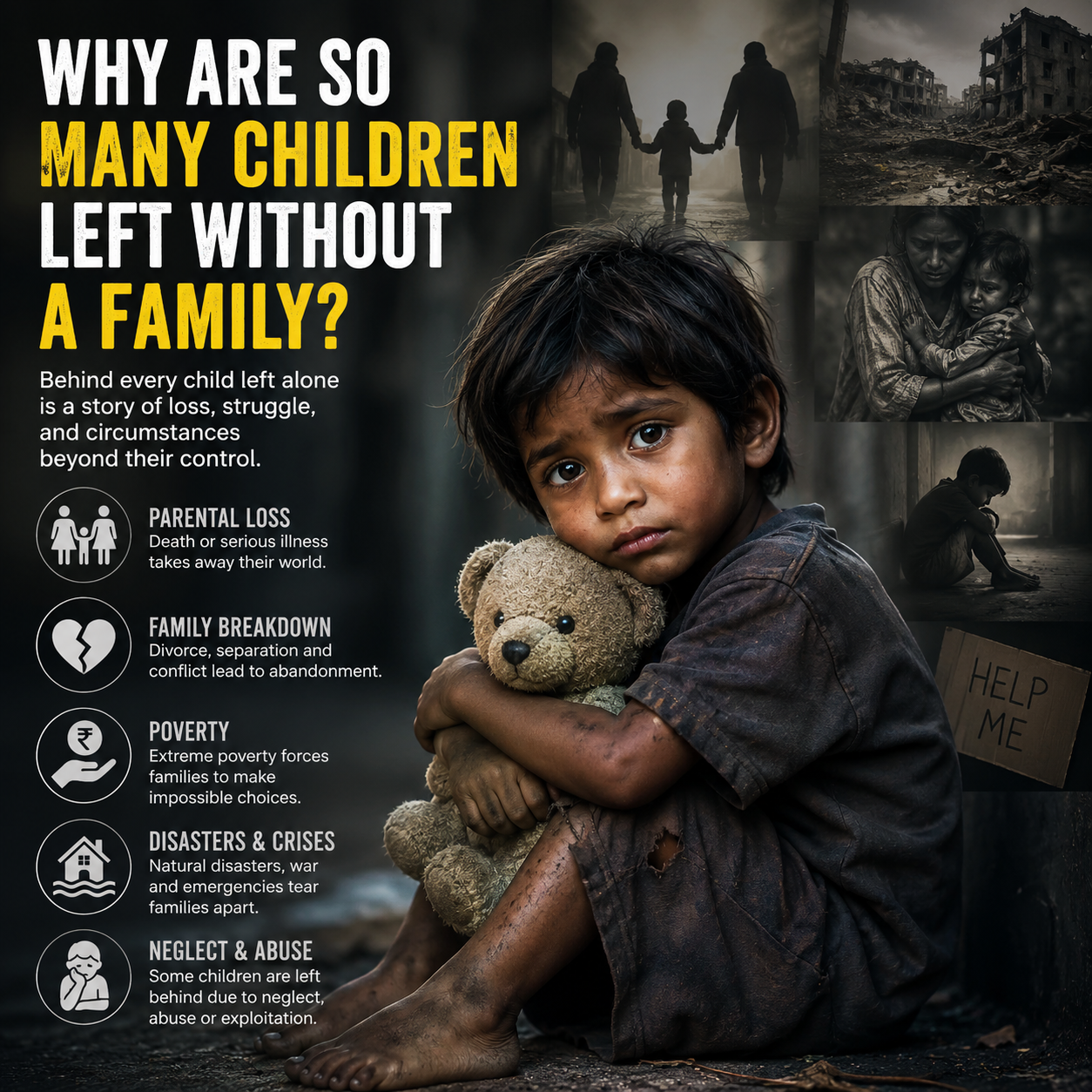
Why Are So Many Children Left Without a Family?
There isn’t a single reason behind India’s orphan crisis. In most cases, it’s the result of several social and economic challenges that leave children without the care and protection they need. Understanding these causes is the first step towards finding long-term solutions.
Poverty Forces Impossible Decisions
For many families, poverty is more than a financial struggle—it affects every part of daily life. When parents cannot afford food, healthcare, or education, they are often forced to make heartbreaking choices. Some children are left in shelters with the hope that they’ll receive better care, while others end up living with relatives who are already struggling to support their own families.
Many children from economically weaker backgrounds also leave school early, making them more vulnerable to child labour and exploitation. You can learn more about this issue in our article on Out of School Children in Gujarat.
Losing Parents at a Young Age
Thousands of children lose one or both parents every year due to illness, accidents, natural disasters, or other unforeseen circumstances. Without immediate family support, many are left without a stable home or someone to guide them through childhood.
While some relatives step forward to help, not every family has the financial or emotional capacity to care for another child. As a result, many children continue to live in uncertain and vulnerable situations.
Abandonment and Social Stigma
Sadly, not every child becomes an orphan because they lose their parents. Some are abandoned due to social stigma, financial hardship, disability, or gender discrimination. In some communities, girls and children with special needs are still at a greater risk of being neglected or left behind.
Children from all communities deserve access to education and care where they can thrive.
The Lack of Accurate Data
One of the biggest challenges in addressing India’s orphan crisis is the absence of reliable nationwide data. Although various government departments and child welfare organisations collect information, there has never been a comprehensive survey dedicated solely to orphaned and abandoned children.
Without accurate numbers, it becomes difficult to develop effective policies, allocate resources, and ensure support reaches the children who need it most.
What Happens When Children Grow Up Without Proper Care?
Growing up without a safe and supportive environment affects far more than a child’s present it shapes their future. Without access to education, healthcare, emotional support, and stable housing, many children struggle to build independent and secure lives.
Children who remain outside the formal child protection system face a much higher risk of:
- Child labour and forced work
- Human trafficking and exploitation
- Early marriage
- Homelessness and poverty
- Poor physical and mental health
- Dropping out of school permanently
Education plays a crucial role in breaking this cycle. When children have access to quality learning opportunities, they are far more likely to build stable careers and become independent adults. That’s why initiatives that support child education and literacy continue to make a lasting difference in vulnerable communities.
Child Care Institutions in India: Are They Enough?
For children who have nowhere else to go, Child Care Institutions (CCIs) provide a safe place to live, learn, and rebuild their lives. These institutions play an important role in protecting orphaned and abandoned children, but they can only support a small fraction of those who need help.
Government reports estimate that only around 370,000 children live in registered Child Care Institutions across India. Compared to the estimated 30 million orphaned and abandoned children, this highlights a significant gap in the country’s child welfare system.
India has nearly 9,500 registered CCIs, with most of them being managed by non-governmental organisations (NGOs). Many operate with limited funding and resources while trying to provide children with shelter, education, healthcare, and emotional support.
In several districts, there are still no registered orphanages or child care facilities. This means many vulnerable children continue to grow up without access to structured care or rehabilitation services.
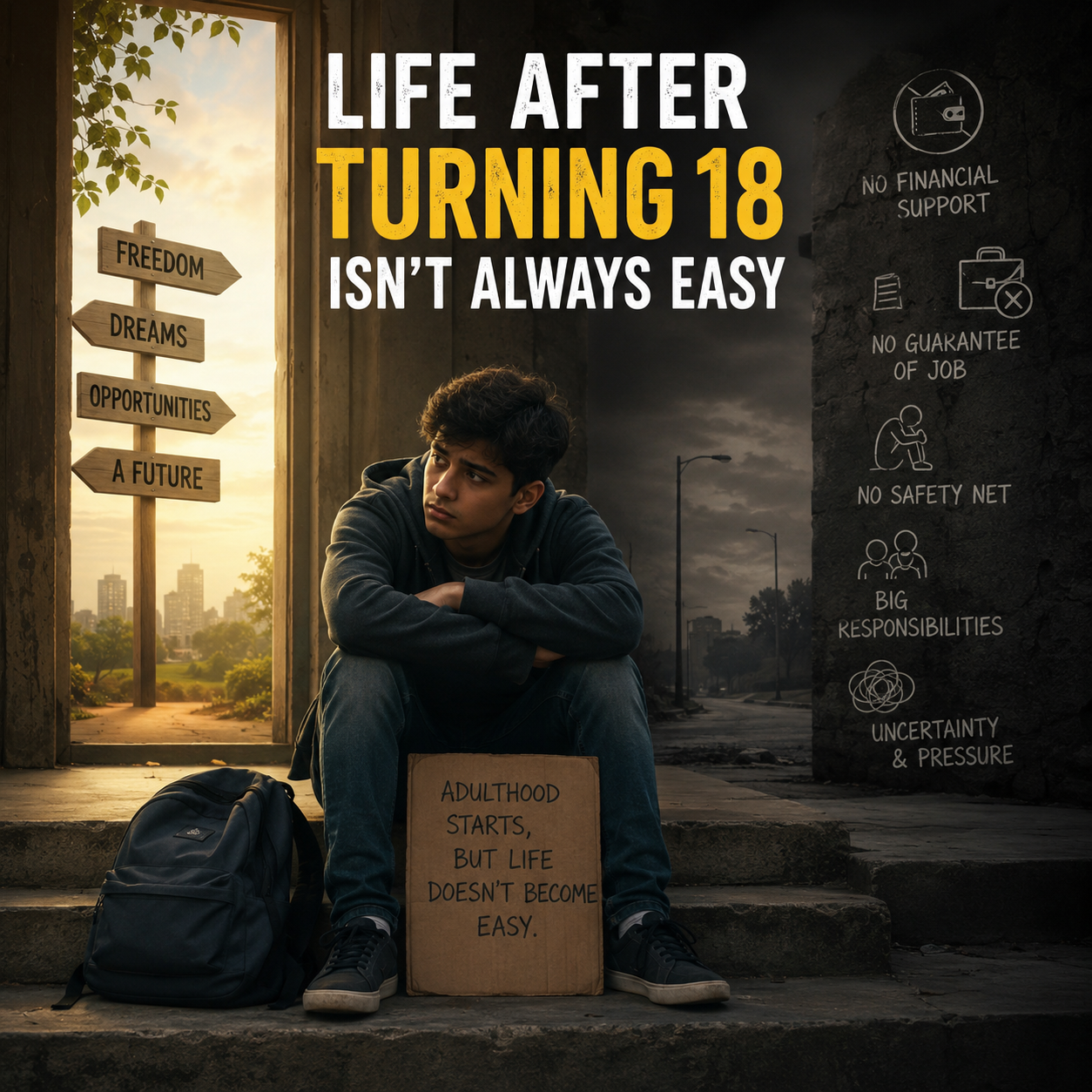
Life After Turning 18 Isn’t Always Easy
For many children living in Child Care Institutions, another challenge begins when they reach adulthood. Under existing regulations, most children leave institutional care once they turn 18 years old.
Although aftercare programmes are intended to help young adults transition into independent living, access to these services often varies. Without financial stability, family support, or employment opportunities, many struggle to find secure housing or continue their education.
Building confidence, learning practical skills, and receiving career guidance are just as important as providing shelter. Supporting young adults during this transition can make a lasting difference in helping them become self-reliant.
Why Community Support Matters More Than Ever
Government initiatives alone cannot solve a challenge affecting millions of children. Lasting change happens when communities, businesses, volunteers, and non-profit organisations work together to support vulnerable children before they fall through the cracks.
Simple actions such as sponsoring a child’s education, donating essential supplies, supporting nutritious meals, or volunteering time can have a meaningful impact on a child’s future.
Education is one of the most powerful tools for breaking the cycle of poverty. Every child who stays in school has a better chance of building a secure future and becoming financially independent. If you’d like to understand why education remains one of India’s biggest challenges, explore our article on The Education Crisis in India.
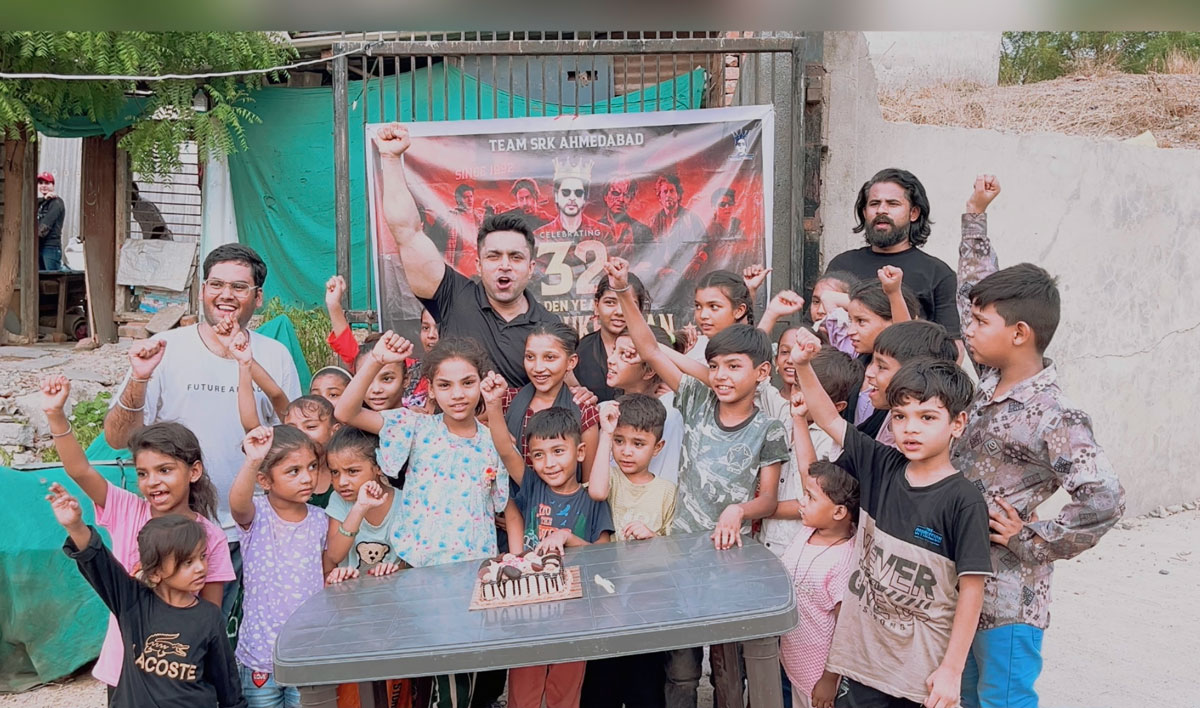
How Shaksham Foundation Is Supporting Orphaned Children
At Shaksham Foundation, we believe every child deserves more than just survival—they deserve love, dignity, education, and the opportunity to dream.
Through our Orphanage Support Programme, we work to improve the lives of orphaned and vulnerable children by providing:
- Safe and secure shelter
- Nutritious daily meals
- Access to quality education
- Healthcare and essential support
- Emotional care and personal development
- A nurturing environment where children can grow with confidence
We are also working towards building a new orphanage in Gujarat to provide a permanent home for children who currently have nowhere to turn. This initiative is only possible with the support of compassionate individuals, organisations, CSR partners, and donors who believe every child deserves a brighter future.
How You Can Help Change a Child’s Future
The number 30 million may seem overwhelming, but meaningful change starts with helping one child at a time. Every contribution whether it’s supporting education, providing nutritious meals, donating towards shelter, or simply spreading awareness can make a lasting difference in a child’s life.
When vulnerable children receive the care, education, and opportunities they deserve, they have a better chance of growing into confident, independent adults. Supporting vulnerable children helps create a more inclusive society
Support Shaksham Foundation’s Mission
At Shaksham Foundation, we believe Every child deserves dignity, respect, and the opportunity to reach their full potential.+
Through our Orphanage Support Programme, we are working to provide shelter, nutritious meals, education, emotional care, and a secure environment for orphaned and abandoned children. We are also building a new orphanage in Gujarat to give more children the chance to grow up with dignity, care, and hope.
You can support this mission by:
- Donating to support orphaned and abandoned children.
- Sponsoring a child’s education and daily needs.
- Partnering with us through CSR initiatives.
- Volunteering your time and skills.
- Helping spread awareness about India’s orphan crisis.
Every act of kindness brings us one step closer to giving every child the future they deserve.
Ready to make a difference?
Donate Now or Contact Shaksham Foundation to become a part of this mission.
Sources and References
The statistics and information shared in this article are based on publicly available reports from trusted organisations, including the UNICEF India, the Ministry of Women and Child Development, and the Central Adoption Resource Authority (CARA).
Frequently Asked Questions
How many orphaned children are there in India?
India is estimated to have nearly 30 million orphaned and abandoned children. This includes children who have lost one or both parents, as well as those who have been abandoned because of poverty, illness, or difficult family circumstances.
What causes children to become orphans or abandoned in India?
The most common reasons include poverty, the death of parents, illness, accidents, natural disasters, abandonment, social stigma, and financial hardship. In many cases, families simply lack the resources needed to care for their children.
What is India’s orphan crisis?
India’s orphan crisis refers to the growing number of orphaned and abandoned children who lack access to safe housing, education, healthcare, and long-term support. Millions of children continue to live without adequate protection or family care.
How many orphanages are there in India?
India has around 9,500 registered Child Care Institutions (CCIs). Most are operated by non-governmental organisations, but many districts still lack adequate child care facilities.
How many orphaned children live in registered orphanages?
Government studies estimate that only around 370,000 children live in registered Child Care Institutions. The vast majority of orphaned and abandoned children remain outside formal care systems.
Why are orphaned children more vulnerable?
Without proper care and protection, orphaned children face a higher risk of child labour, trafficking, homelessness, poor health, exploitation, school dropout, and emotional trauma.
Why is education important for orphaned children?
Education provides children with knowledge, confidence, life skills, and better employment opportunities. It also helps reduce poverty, child labour, and social inequality over the long term.
Can orphaned children be adopted in India?
Yes. Adoption is possible through the legal process managed by the Central Adoption Resource Authority (CARA). However, only a small number of children are legally available for adoption, making the process longer than many people expect.
How do NGOs help orphaned children?
NGOs provide shelter, education, healthcare, counselling, nutrition, vocational training, rehabilitation, and emotional support. They also help children prepare for independent adulthood.
How can I support orphaned children in India?
You can make a difference by donating, sponsoring a child’s education, volunteering, supporting NGO initiatives, contributing through CSR programmes, or helping raise awareness about child welfare issues.
What is Shaksham Foundation doing for orphaned children?
Shaksham Foundation supports orphaned and vulnerable children by providing shelter, education, nutritious meals, healthcare, emotional care, and opportunities for long-term development. The foundation is also working towards establishing a new orphanage in Gujarat.
Why should society care about orphaned children?
Every child deserves the opportunity to live with dignity, safety, and hope. Supporting orphaned children strengthens communities, reduces poverty, promotes education, and helps create a more compassionate and inclusive society for future generations.Creating a better future for orphaned children in India requires more than government support alone. It also depends on compassionate individuals, responsible businesses, and organisations working together to ensure every child has access to safety, education, healthcare, and long-term opportunities.
Final Thoughts
Behind the statistic of 30 million forgotten children are millions of individual stories filled with hope, resilience, and untapped potential. Every child deserves the chance to grow up in a safe environment where they are loved, educated, and encouraged to dream.
By supporting organisations like Shaksham Foundation, raising awareness, and taking meaningful action, we can help ensure that fewer children are left without the care they deserve.
Because changing one child’s life doesn’t just transform their future it helps build a better future for all of us.

Related Posts
Comments (0)